




22 Must-Have Baby Shower Gift Ideas
Welcoming a new arrival is a truly special time, and finding the perfect gift to celebrate can be just as joyful! If you’re searching for… The post 22 Must-Have Baby Shower Gift Ideas appeared first on The Daily Struggle.
Family
Tips for Having an Honest Conversation About Intimacy Support
Sexual well-being is a sensitive topic for several people, particularly those in long-term relationships. It can often become relevant at some point for many couples,… The post Tips for Having an Honest Conversation About Intimacy Support appeared first on The Daily Struggle.
Sex Relashionships
Albert Camus: Intellectual Titan
In 1968 LIFE magazine summed up the appeal of French philosopher and author Albert Camus with a single sentence: “Camus looked directly into the darkness as saw sun—the human spirit.” The line came from a review of Camus’ book “Lyrical and Critical Essays.” And the […]
People



University Essentials: Everything a New Student Needs for the First Year
Starting university is a monumental step, not only academically but also in terms of personal growth and independence. As you pack for this new journey,… The post University Essentials: Everything a New Student Needs for the First Year appeared first on The Daily Struggle.
Family
Starting university is a monumental step, not only academically but also in terms of personal growth and independence. As you pack for this new journey,…
The post University Essentials: Everything a New Student Needs for the First Year appeared first on The Daily Struggle.
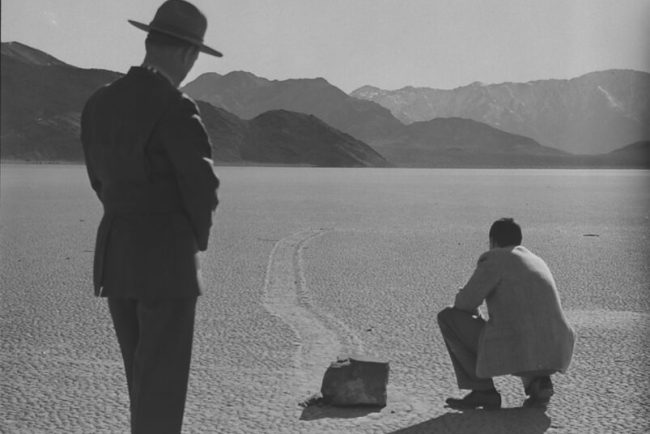
Stones on the Run: A Death Valley Spectacle
In its March 10, 1952 issue LIFE magazine served its readers photos of the “sailing rocks” of the Racetrack Playa, a dry lake bed near Death Valley, California. The stones don’t do anything really wild like zip around in front of people, but they have […]
NatureIn its March 10, 1952 issue LIFE magazine served its readers photos of the “sailing rocks” of the Racetrack Playa, a dry lake bed near Death Valley, California. The stones don’t do anything really wild like zip around in front of people, but they have moved at some point, and we know it by the tracks they have left behind at the Racetrack and also at a few similar locations around the globe. LIFE’s photos by Loomis Dean captured the phenomenon that keeps the Playa Racetrack a tourist destination all these years later.
Here was the setup offered in LIFE, in an article titled “The Case of the Skating Stones”:
On a dry lake bed high in the Panamint Mountains near Death Valley sit several dozen boulders whose peculiar behavior has long been a nightmare to geologists. The boulders, which weigh up to a quarter ton, stand at the ends of long, gouged-out paths which show that they periodically respond to unknown forces and skate about on the flat earthen floor.
LIFE painted the situation as a complete mystery, mentioning disproved theories from everyday folks that attributed the stones’ movement to the lake bed tilting back and forth, or perhaps to “Russians tampering with the magnetic pole.” (This was the early days of the Cold War, mind you). LIFE ended its writeup by saying “The mystery may never be completely solved. When humans observers are about, the stones refuse to budge an inch.”
But since 1952 scientists, when not busy exploring space and inventing cell phones and so forth, did come up with a leading hypothesis, which is that the stones’ skating is likely caused by the movement of thin sheets of ice that can form there in wintertime, with high winds perhaps helping to push stones along.
Though sometimes the stones have moved for reasons that are all too explicable—such as in 2013, when some stones were stolen. A park spokesman expressed both disappointment and confusion at the theft, saying “They don’t seem to understand that outside the Racetrack, these stones have no value.” Other visitors have damaged the site by taking the “Racetrack” name literally and driving their cars on it.
Sometimes human behavior is a mystery all its own.
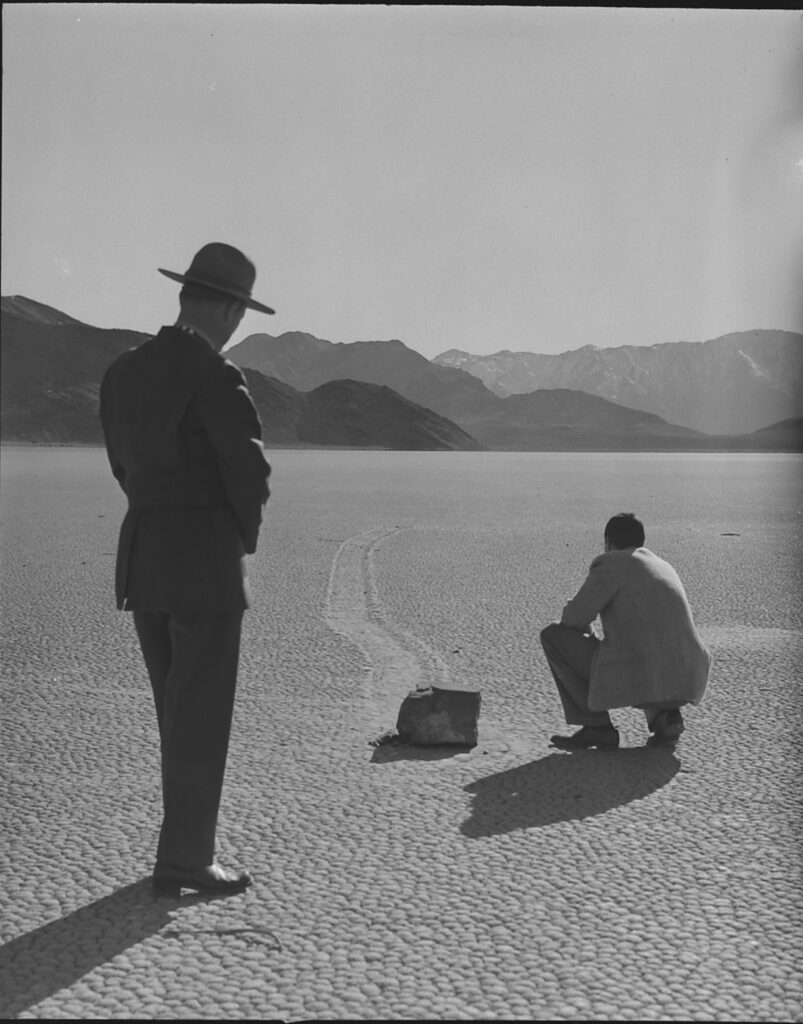
The “sailing stones” of the Racetrack Playa in Death Valley, California, 1952.
Loomis Dean/Life Picture Collection/Shutterstock
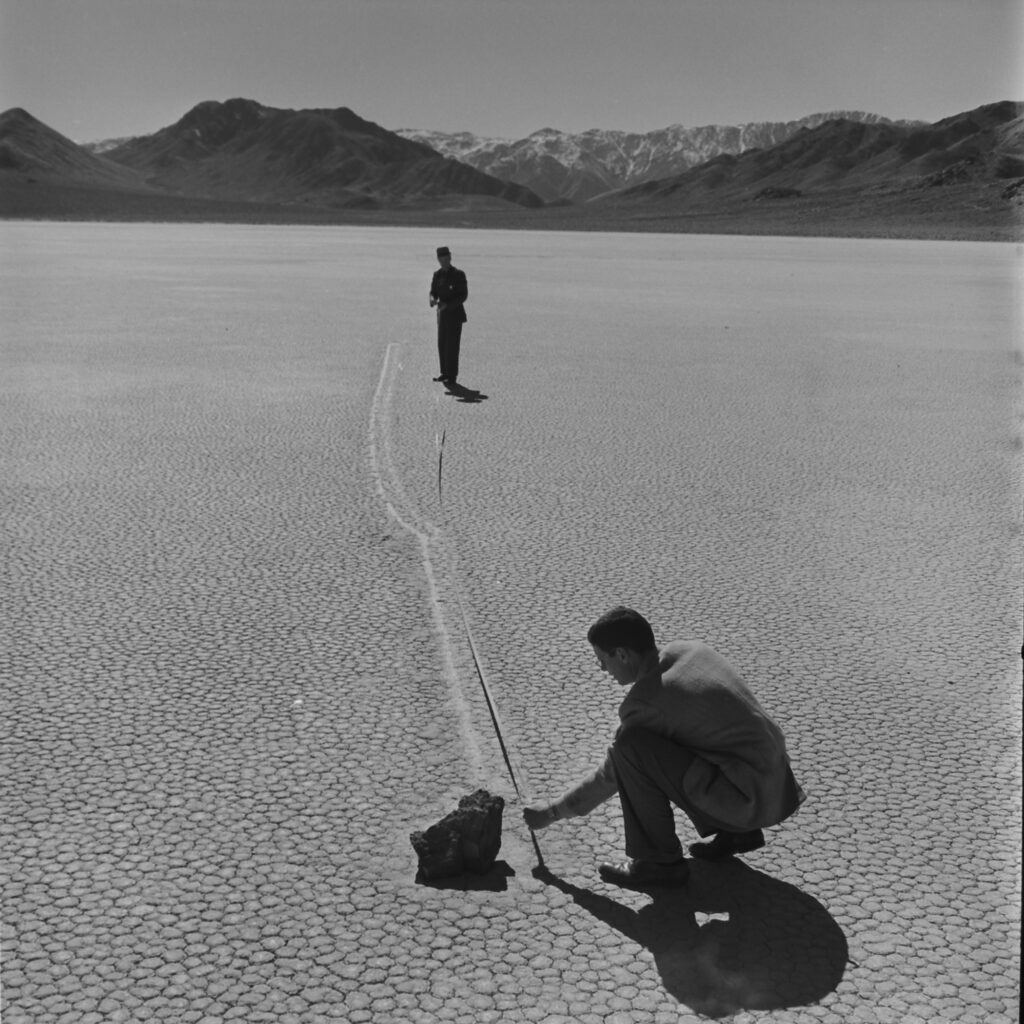
The “sailing stones” of the Racetrack Playa in Death Valley, California, 1952.
Loomis Dean/Life Picture Collection/Shutterstock
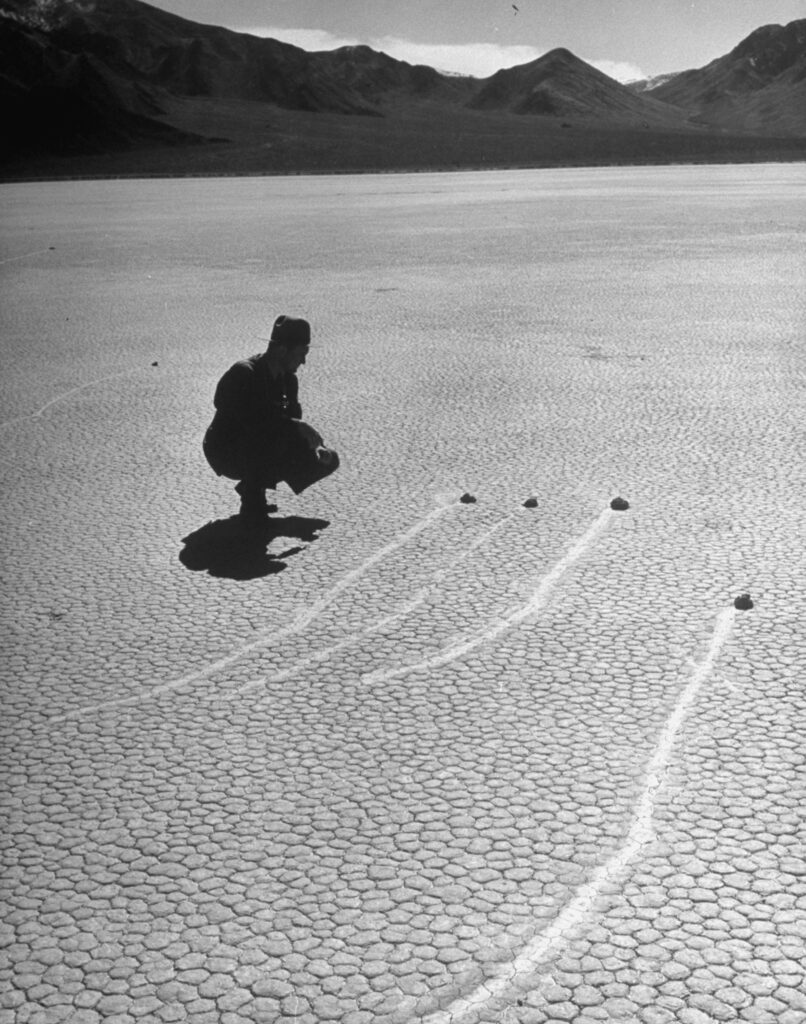
LIFE’s 1952 story on the sailing stones of Racetrack Playa in Death Valley included this photo of stone-like objects described as “burro droppings” that had likely been moved by the same forces as the stones.
Loomis Dean/Life Picture Collection/Shutterstock
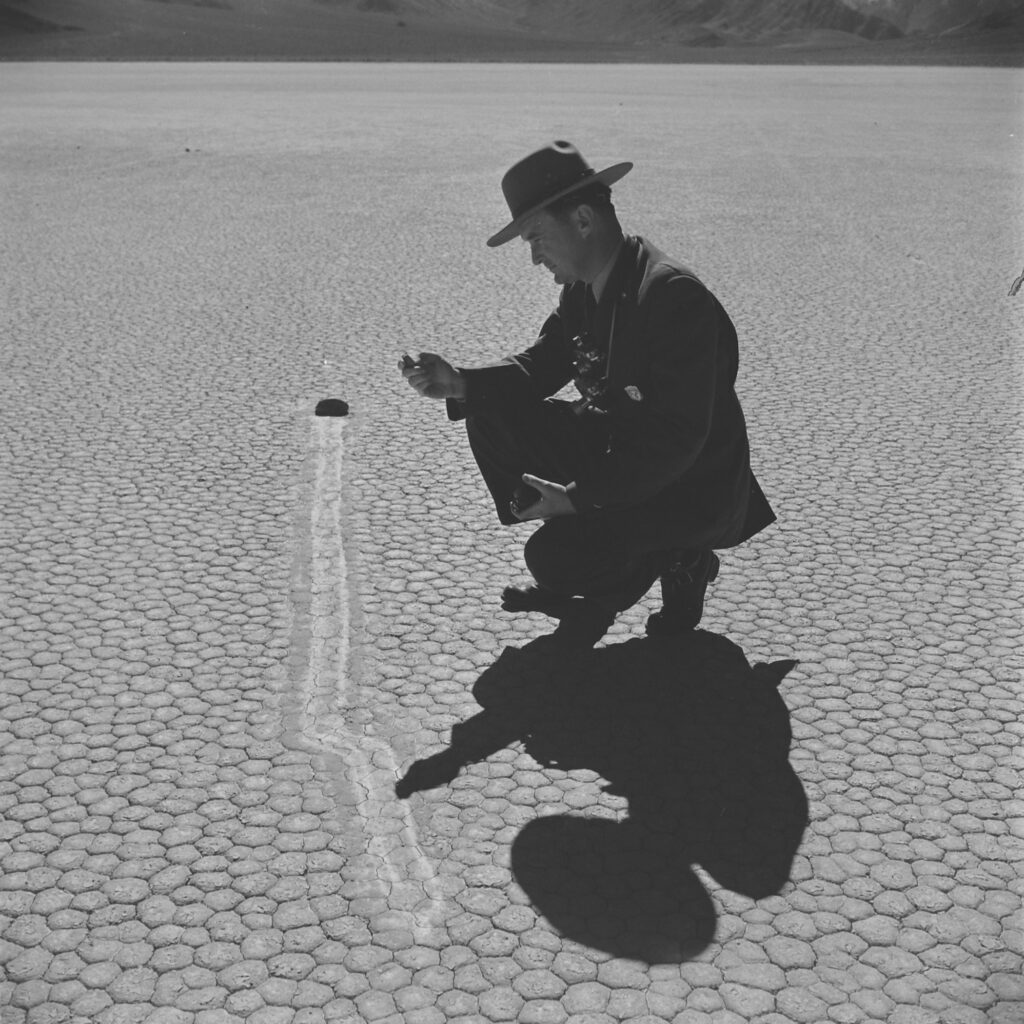
The sailing stones of the Racetrack Playa in Death Valley, California, 1952.
Loomis Dean/Life Picture Collection/Shutterstock
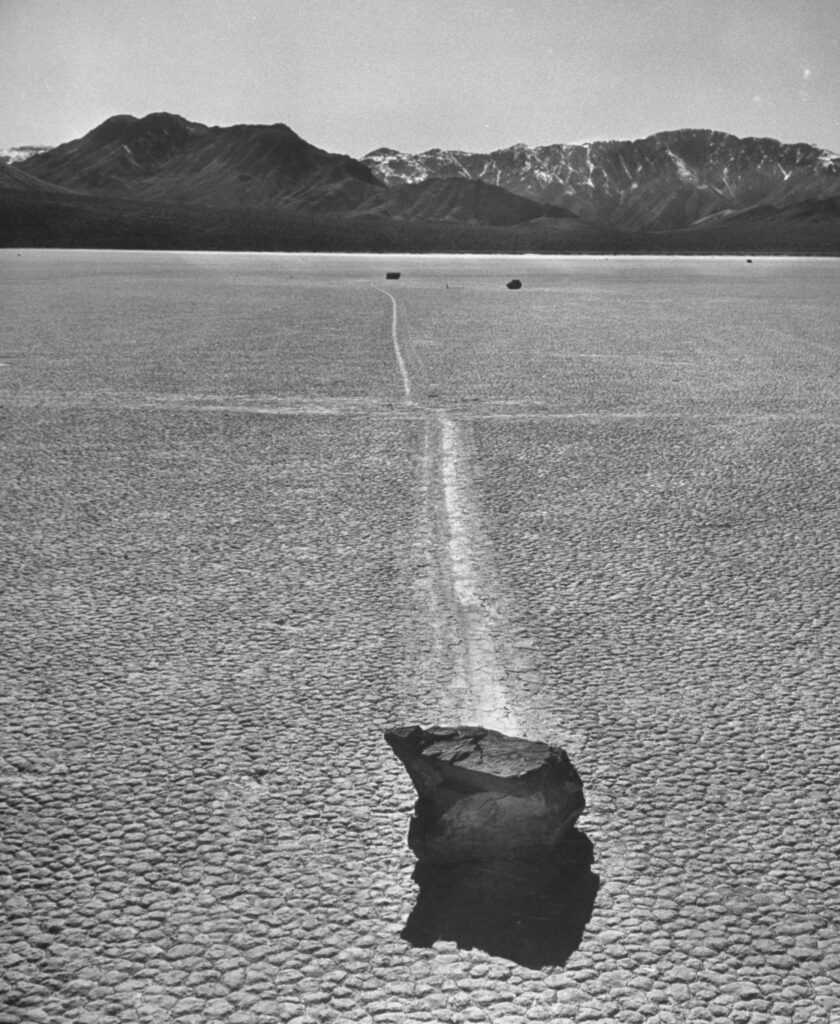
This three-quarter-ton stone left its mark after moving across a dry lake bed in Death Valley, 1952.
Loomis Dean/Life Picture Collection/Shutterstock
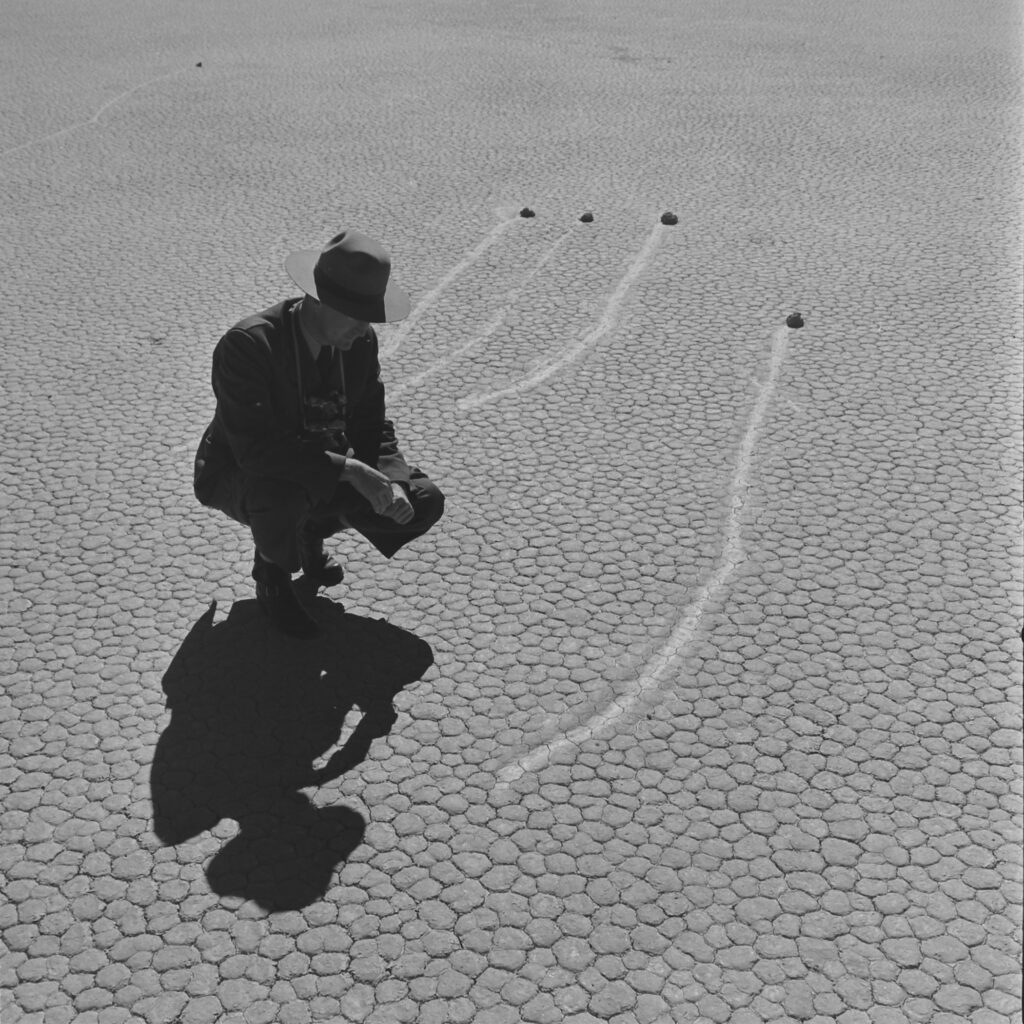
“Sailing stones” left tracks as they drifted across Racetrack Playa in Death Valley, California, 1952.
Loomis Dean/Life Picture Collection/Shutterstock
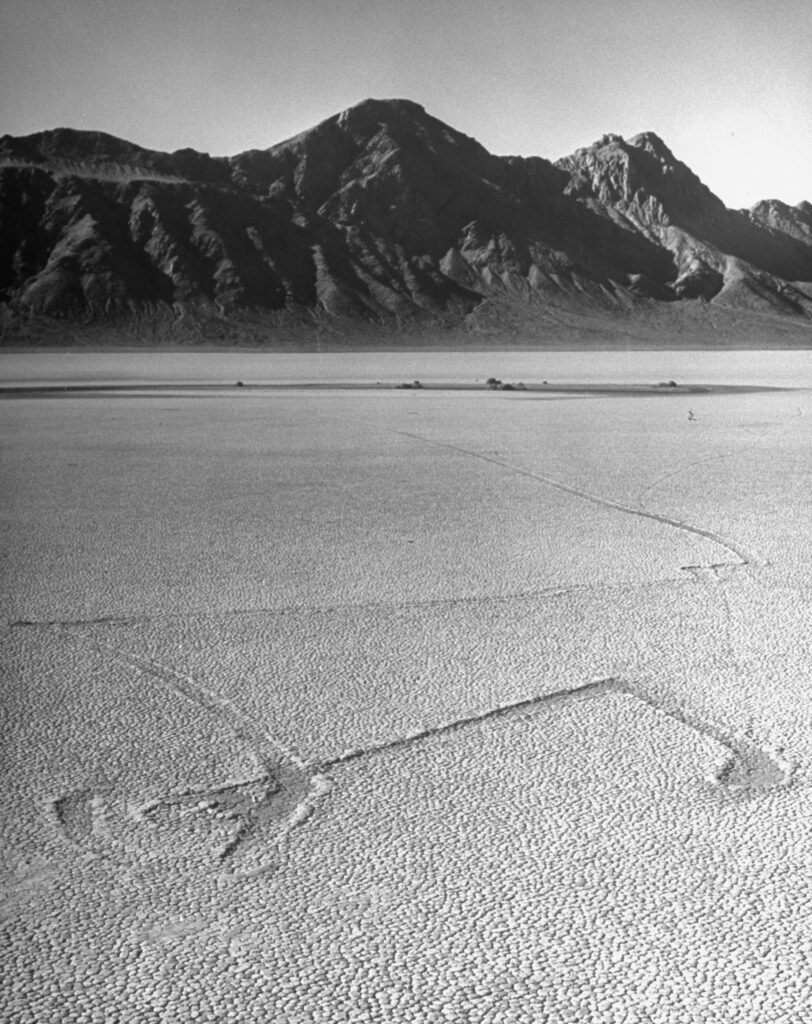
A small stone left these intricate tracks on the Racetrack Playa in Death Valley, California, 1952.
Loomis Dean/Life Picture Collection/Shutterstock
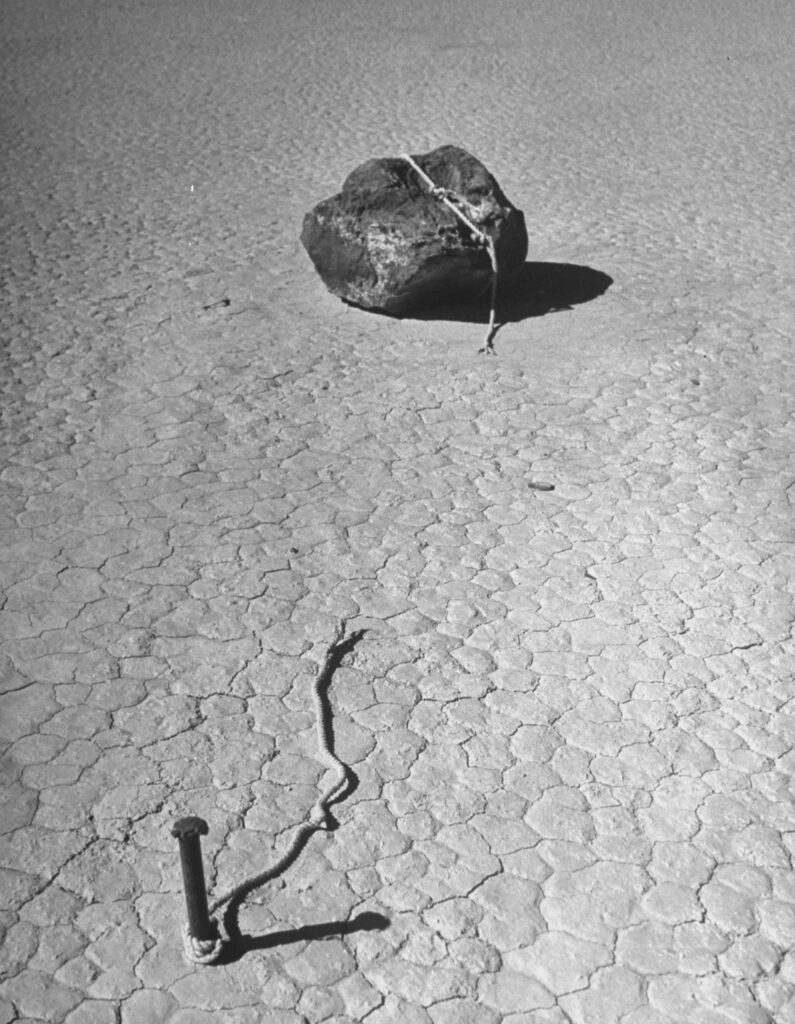
LIFE’s 1952 story on the Racetrack Playa described this photo as being from a “ghost experiment,” guessing that an amateur scientist had tied up the rock to keep it from moving, but over time the rope had eventually rotted away.
Loomis Dean/Life Picture Collection/Shutterstock
The post Stones on the Run: A Death Valley Spectacle appeared first on LIFE.

13 Online Dating Tips: Navigating the Digital Dating World
In today’s digital age, online dating has become a popular way to meet new people and potentially find love. However, it can be overwhelming and… The post 13 Online Dating Tips: Navigating the Digital Dating World appeared first on The Daily Struggle.
Sex Relashionships
In today’s digital age, online dating has become a popular way to meet new people and potentially find love. However, it can be overwhelming and…
The post 13 Online Dating Tips: Navigating the Digital Dating World appeared first on The Daily Struggle.
The Original Vacation Spot
Lake George, N.Y. makes an unusual claim to fame: it touts itself as the America’s original vacation spot. The basis of that claim? In 1869 a Boston preacher named William H.H. Murray published his popular book Adventures in the Wilderness, or Camp-Life in the Adirondacks, […]
NatureLake George, N.Y. makes an unusual claim to fame: it touts itself as the America’s original vacation spot.
The basis of that claim? In 1869 a Boston preacher named William H.H. Murray published his popular book Adventures in the Wilderness, or Camp-Life in the Adirondacks, which was a mix of fiction and travel brochure touting the wonders of outdoor life in Lake George. And readers started coming there for getaways, inspired by the idea that the wilds of nature were to be enjoyed rather than merely navigated or avoided. According to an article in Smithsonian about Lake George, the people who ventured there that first summer didn’t enjoy it much because they were often unprepared for outdoor life and the weather that year was unusually cold and rainy. (Sounds like a classic vacation). But in subsequent years the weather was better and Lake George flourished as a tourist destination.
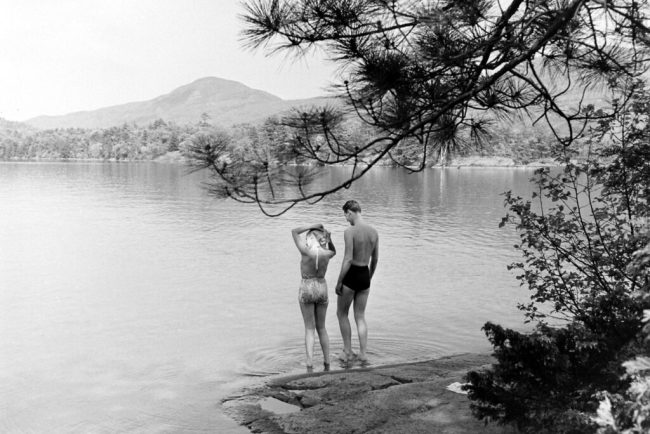
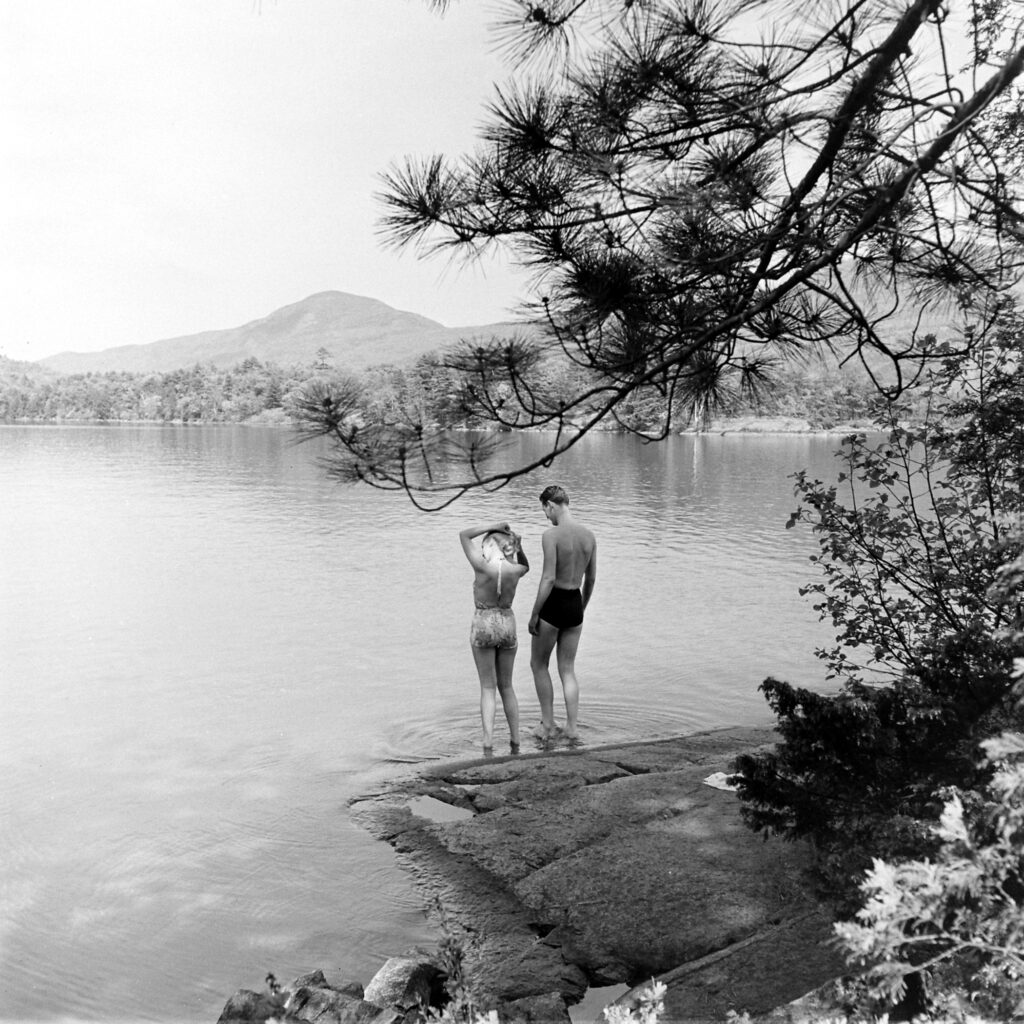
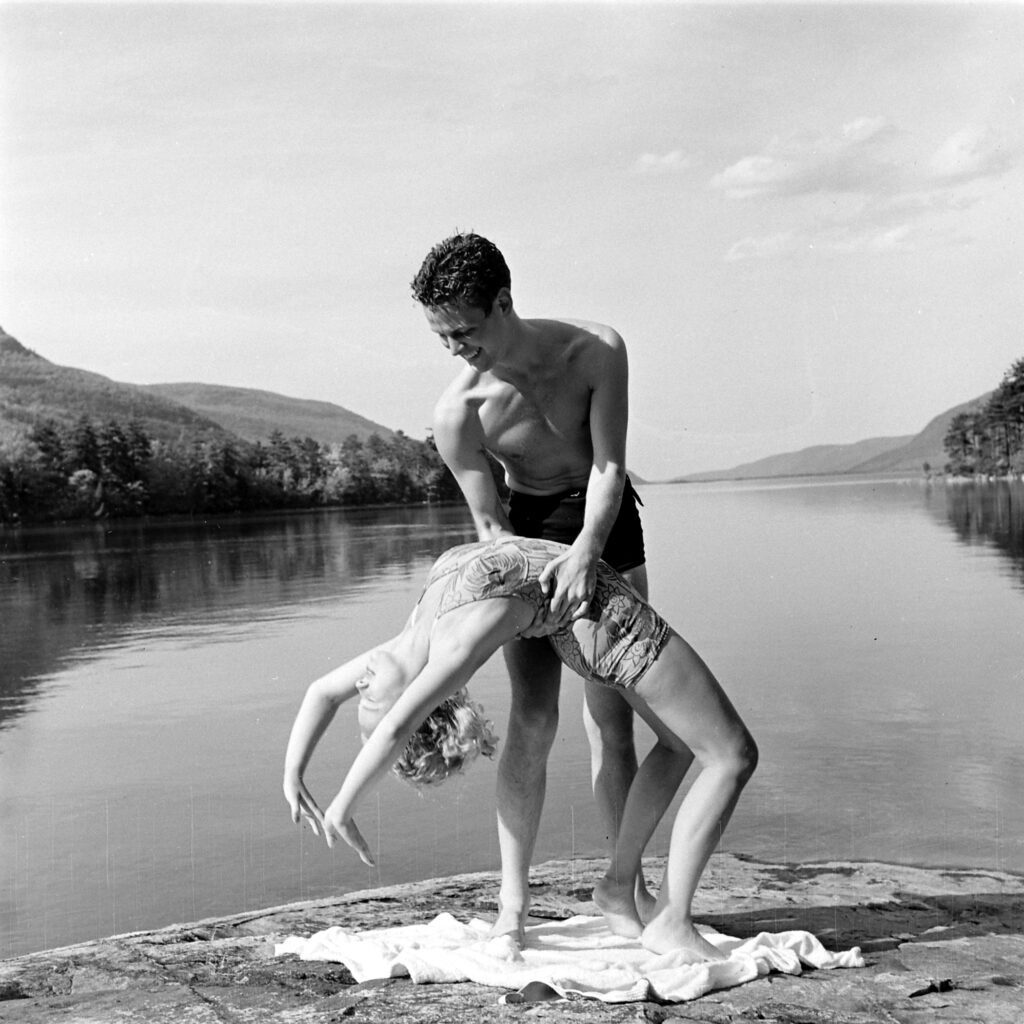
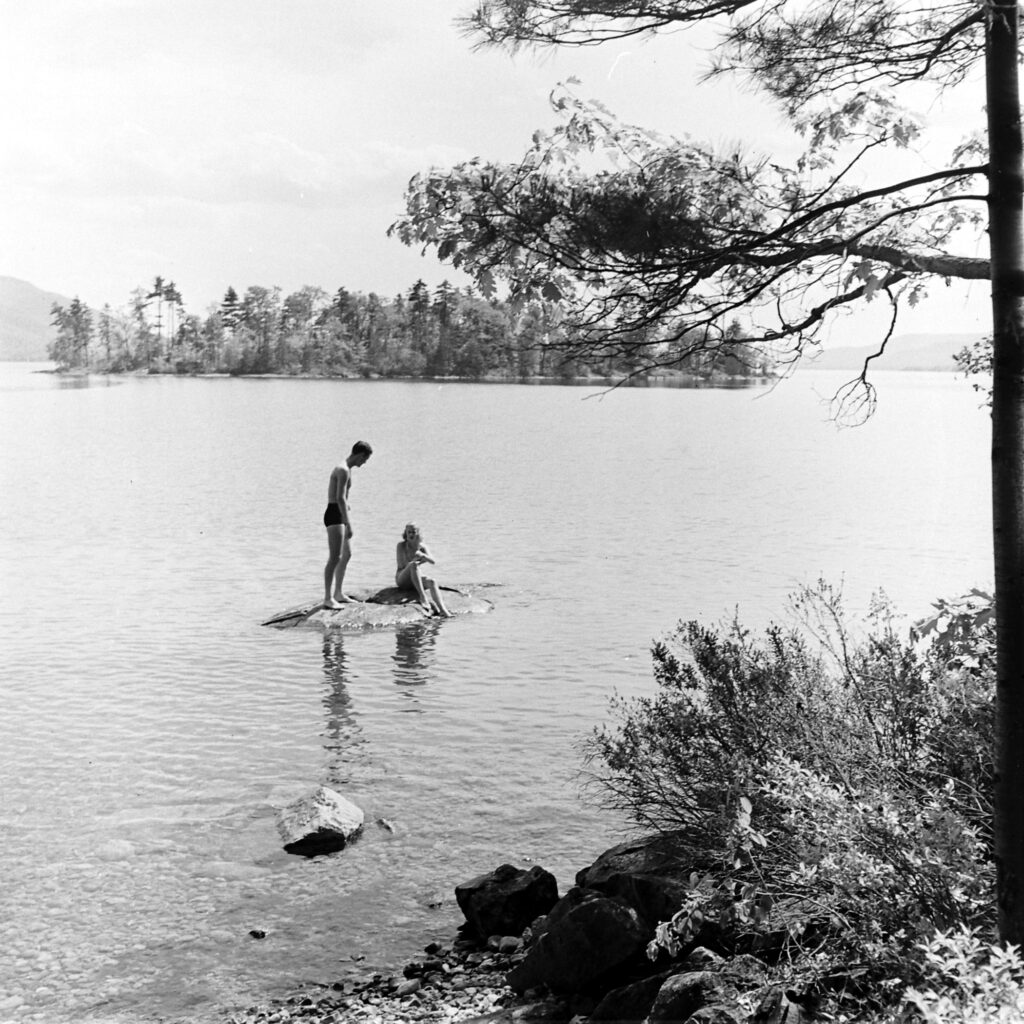
That history may help explain why LIFE photographer Nina Leen went to Lake George in 1941 to photograph a young couple enjoying a weekend in nature. The pictures are indeed stunning, particularly the one titled “Private Island,” which shows the couple sitting together on a small outcropping in the middle of a placid lake. The photo makes Lake George look like a kind of Eden. (It should be noted that the same spot looks more ordinary in other photos taken by Leen— the rock the couple is sitting on is just a few steps from the shore—but as every amateur photographer knows, when crafting that perfect vacation photo, angles are everything).
LIFE never ran Leen’s story on Lake George—one imagines it might have been bumped for news about the gathering storm that was World War II. So we don’t know much about the young man and woman in the photos: their ages, occupations, marital status, or where they arrived from. That’s fine. Their anonymity allows them become a symbolic Adam and Eve, making their way back for a couple days in paradise.
A young couple vacationing at Lake George, New York.
Nina Leen/Life Picture Collection/Shutterstock
A young couple vacationing at Lake George, New York, 1941.
Nina Leen/Life Picture Collection/Shutterstock
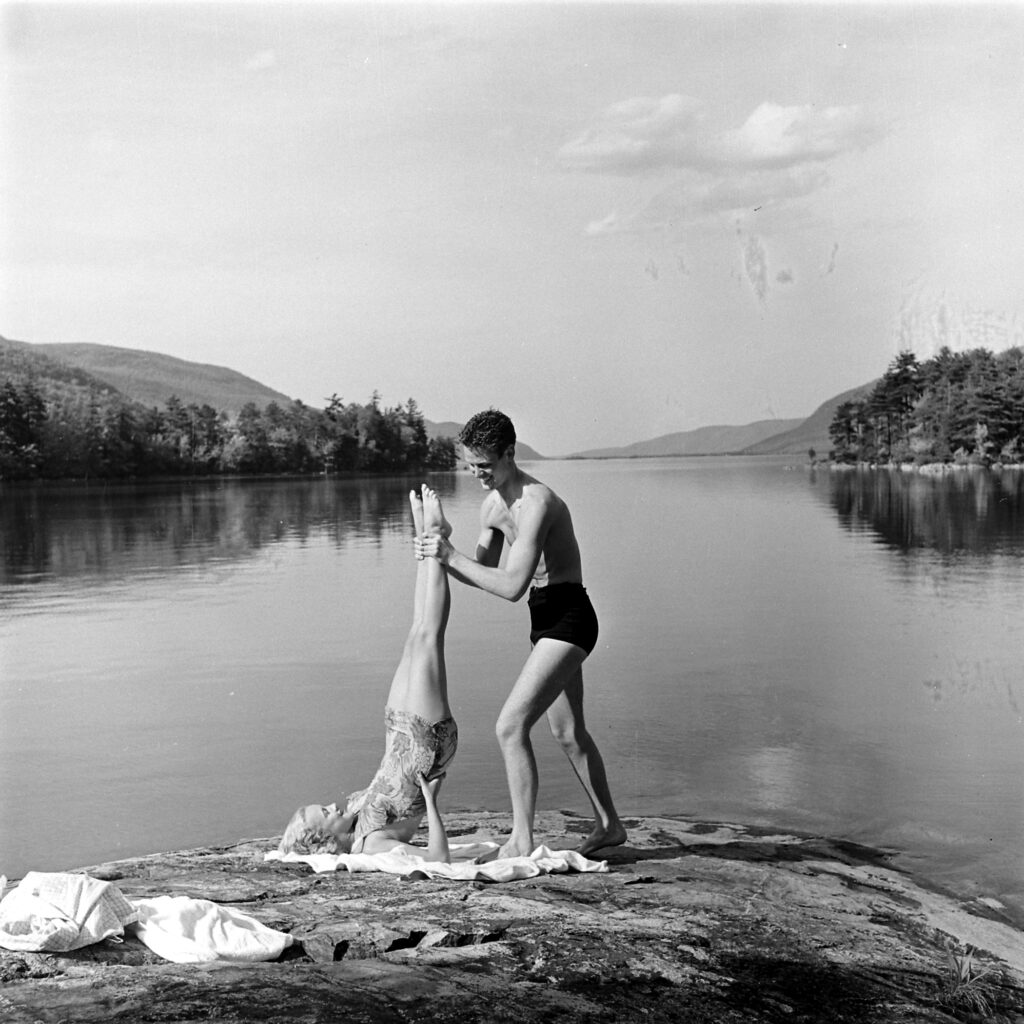
A couple vacationing at Lake George, New York, 1941.
Nina Leen/Life Picture Collection/Shutterstock
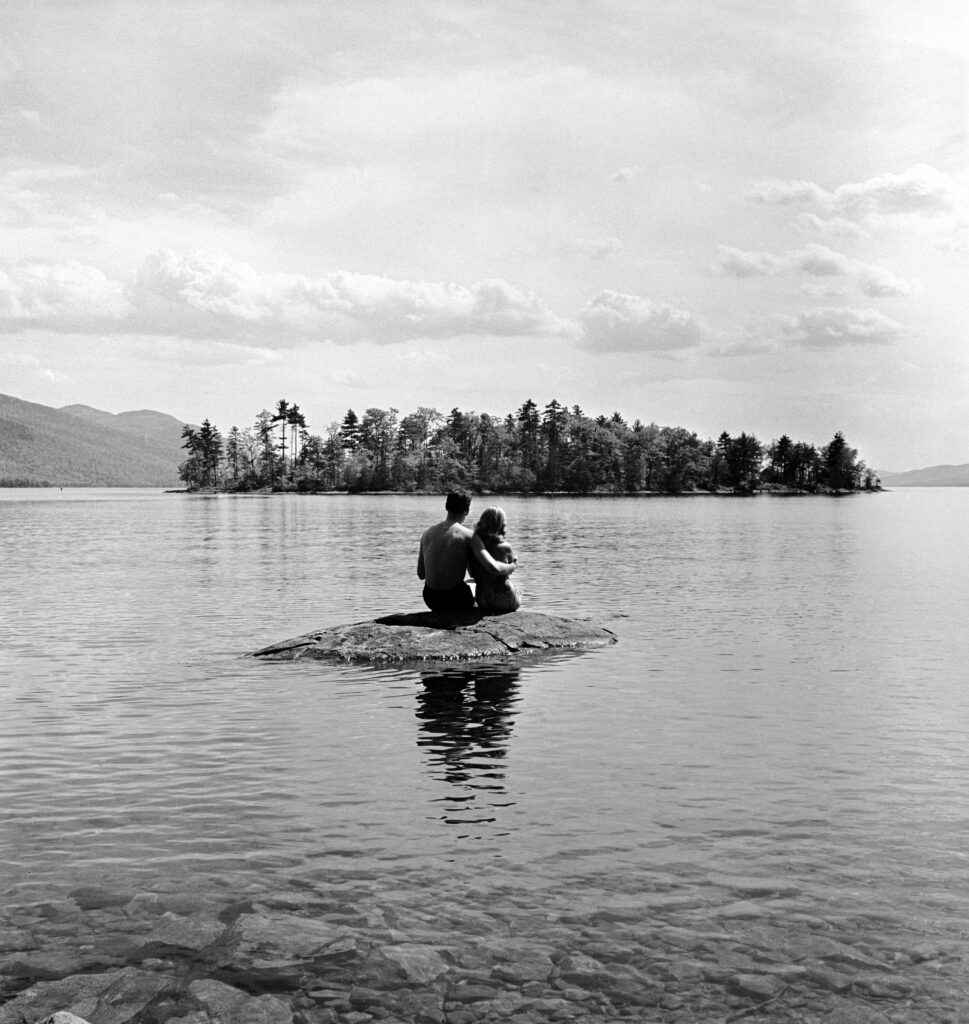
A young couple enjoyed a Lake George vacation in a Nina Leen photo entitled “Private Island,” 1941.
Nina Leen/Life Picture Collection/Shutterstock
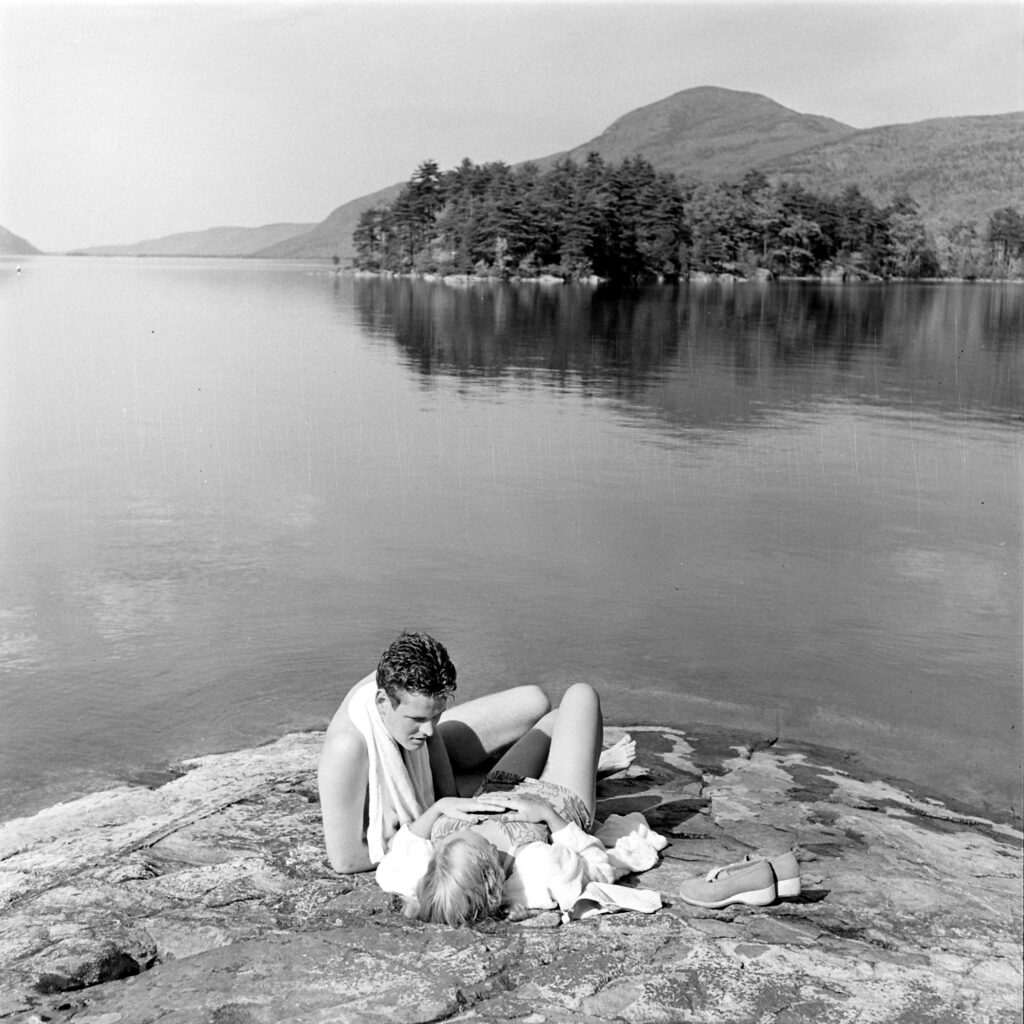
A couple vacationing at Lake George, New York, 1941.
Nina Leen/Life Picture Collection/Shutterstock
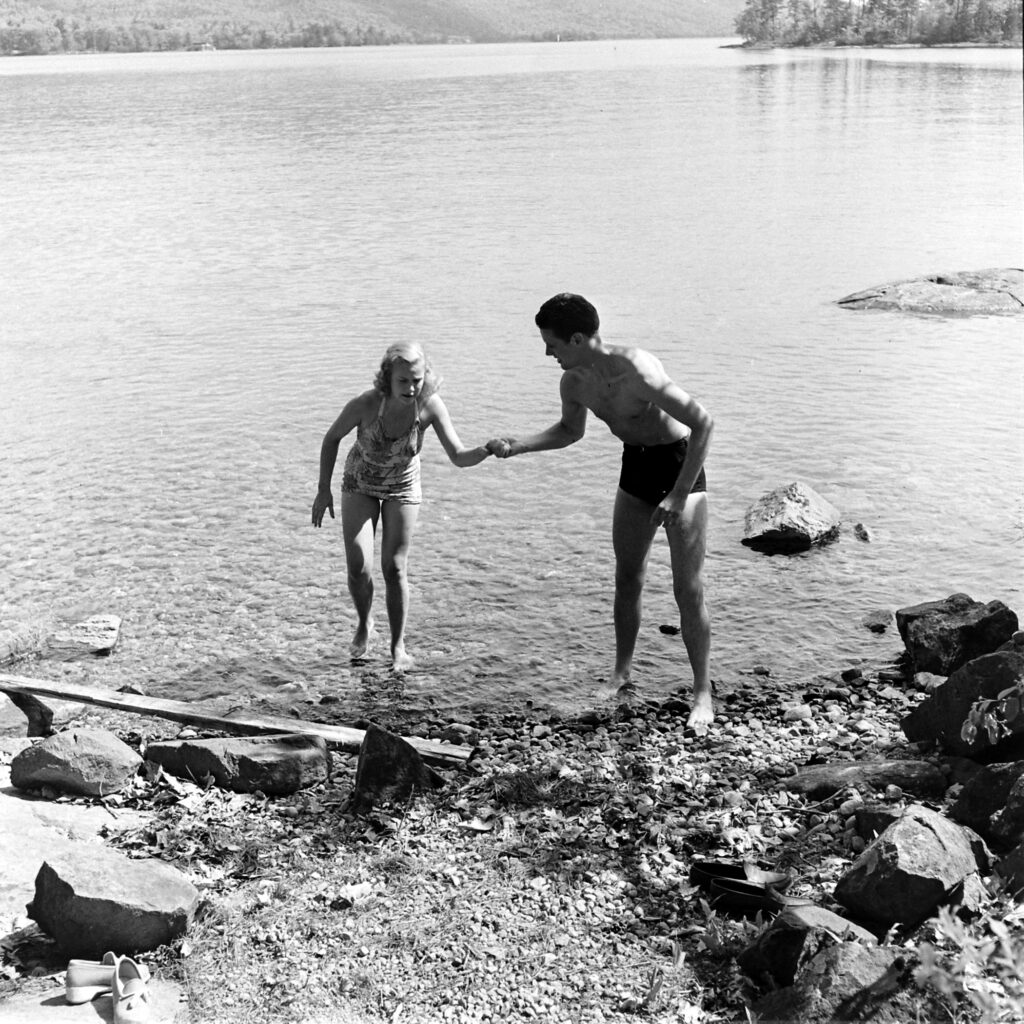
A couple vacationing at Lake George, New York, 1941.
Nina Leen/Life Picture Collection/Shutterstock
A couple vacationing at Lake George, New York, 1941.
116173135
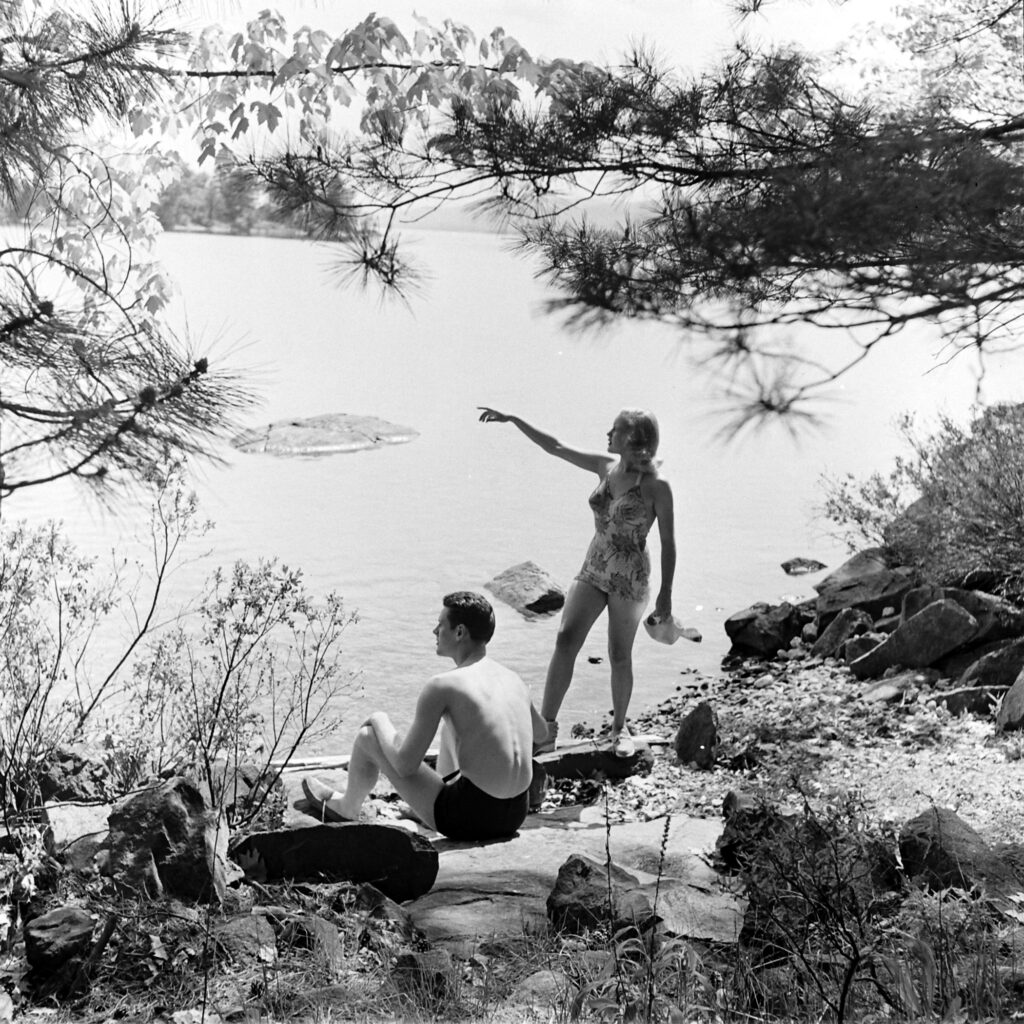
A couple vacationing at Lake George, New York, 1941.
Nina Leen/Life Picture Collection/Shutterstock
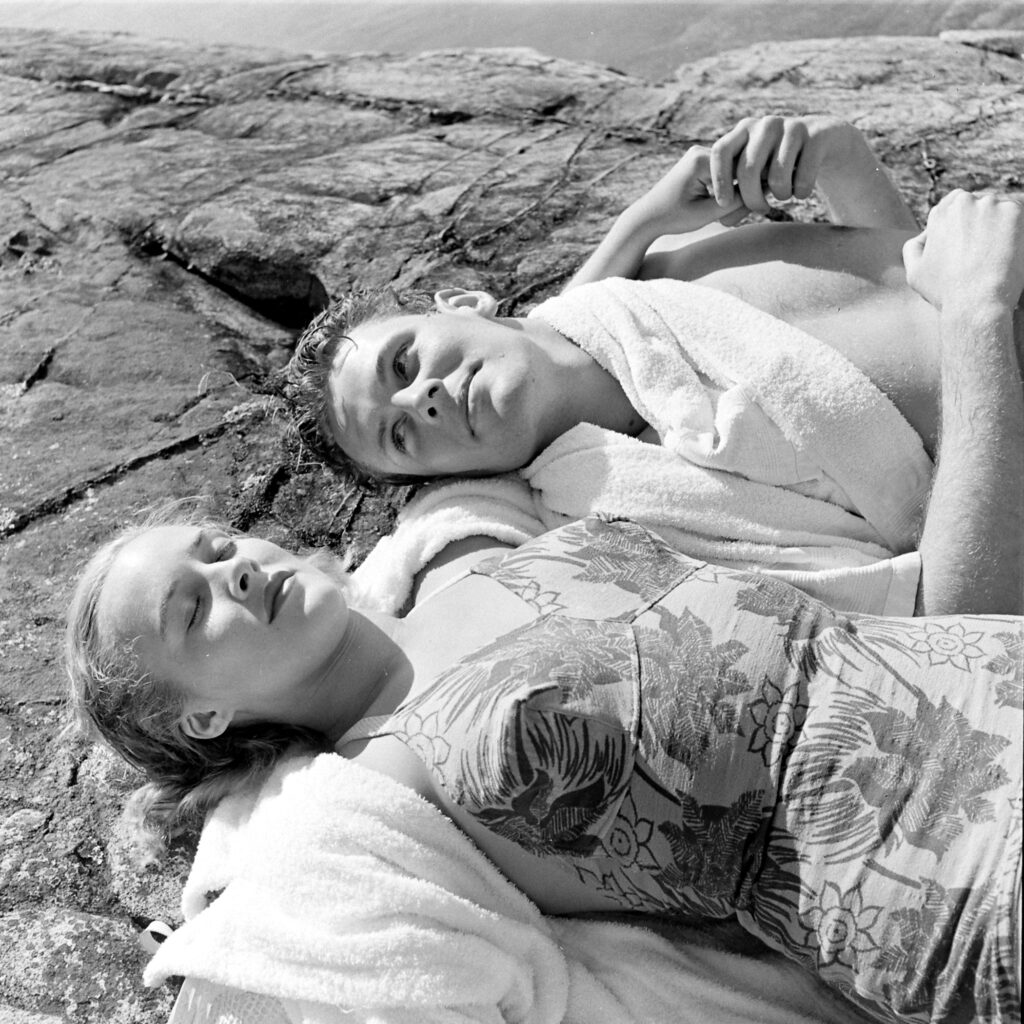
A couple vacationing at Lake George, New York, 1941.
Nina Leen/Life Picture Collection/Shutterstock
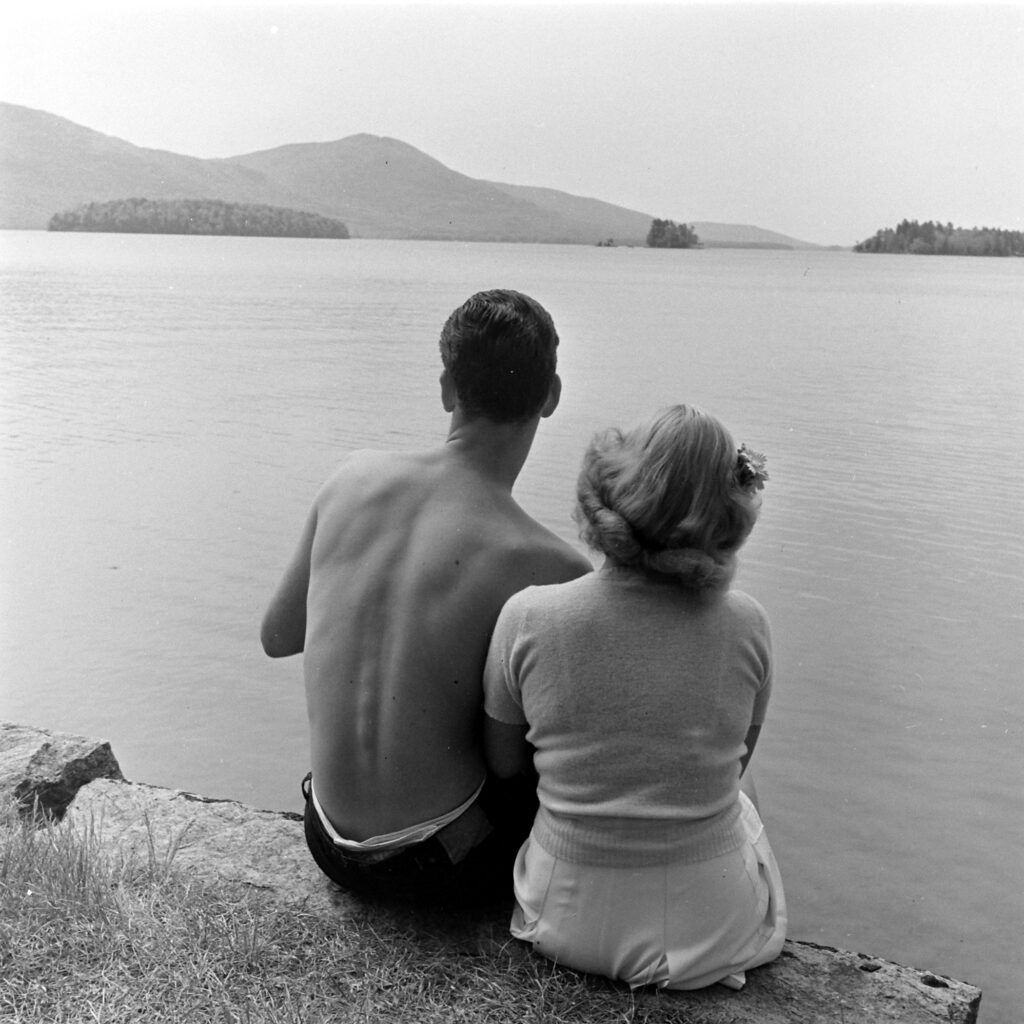
A couple vacationing at Lake George, New York, 1941.
Nina Leen/Life Picture Collection/Shutterstock
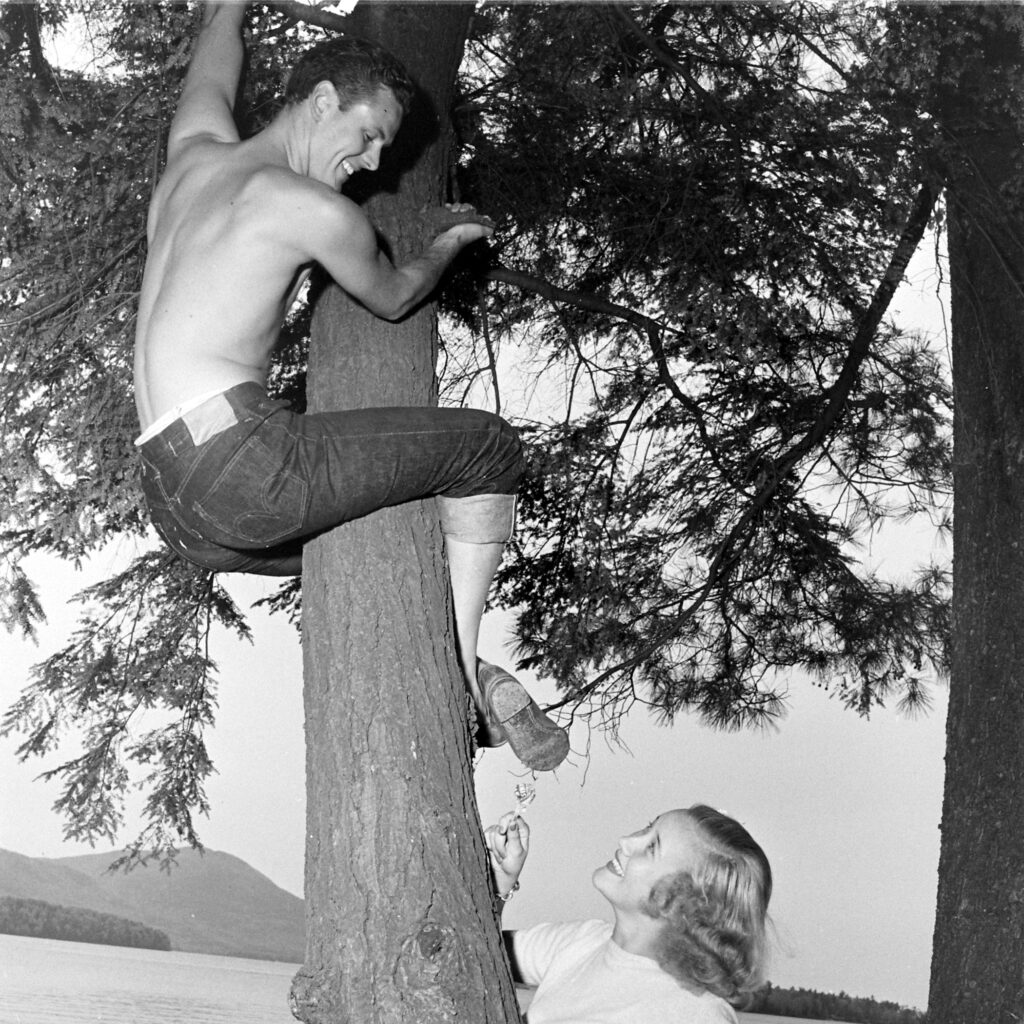
A couple vacationing at Lake George, New York, 1941.
Nina Leen/Life Picture Collection/Shutterstock
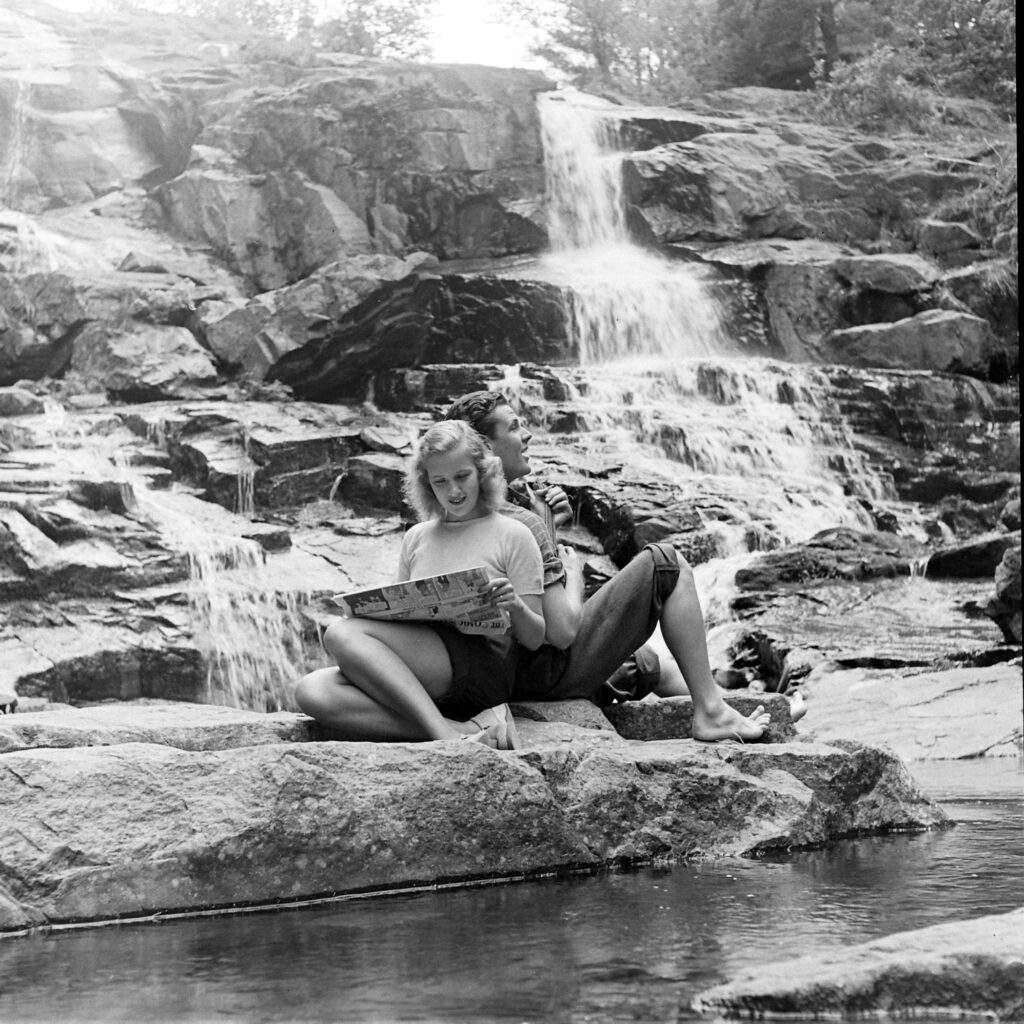
A couple vacationing at Lake George, New York, 1941.
Nina Leen/Life Picture Collection/Shutterstock
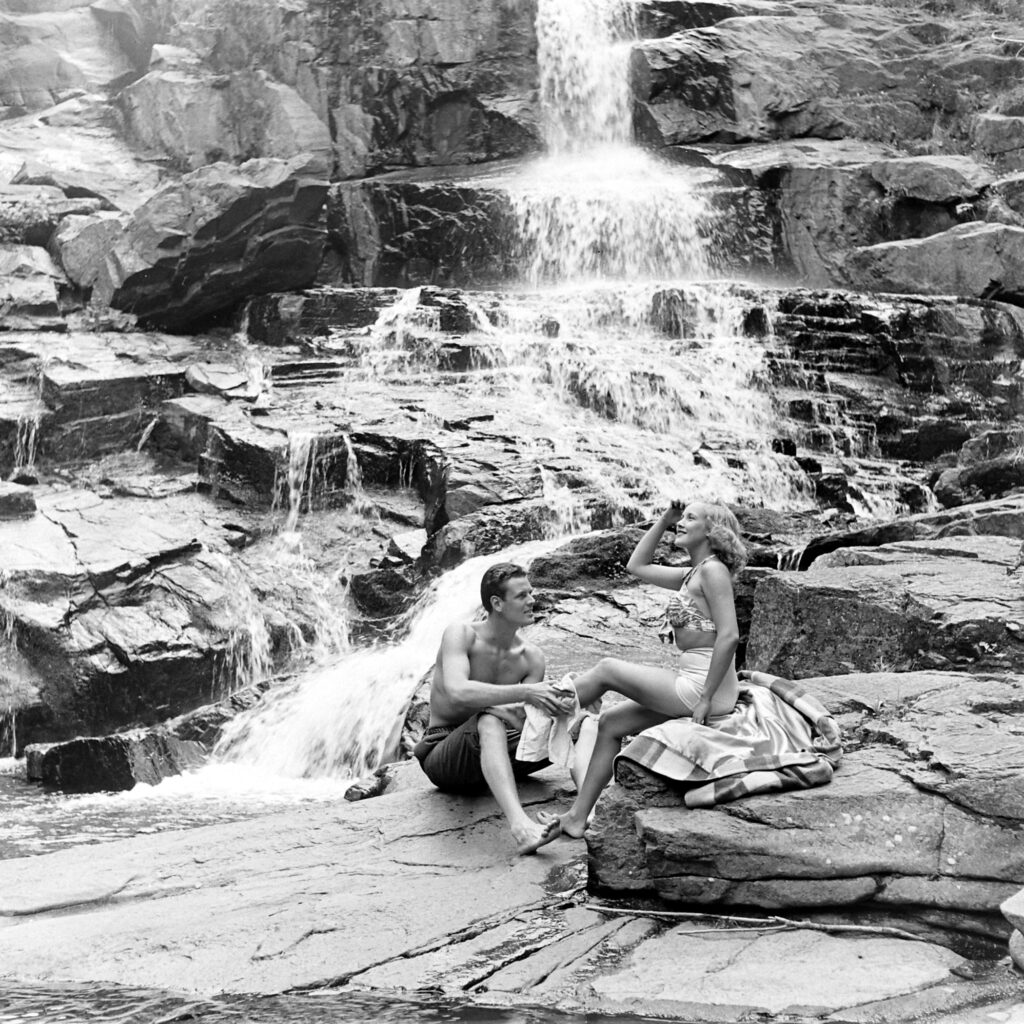
A couple vacationing at Lake George, New York, 1941.
Nina Leen/Life Picture Collection/Shutterstock
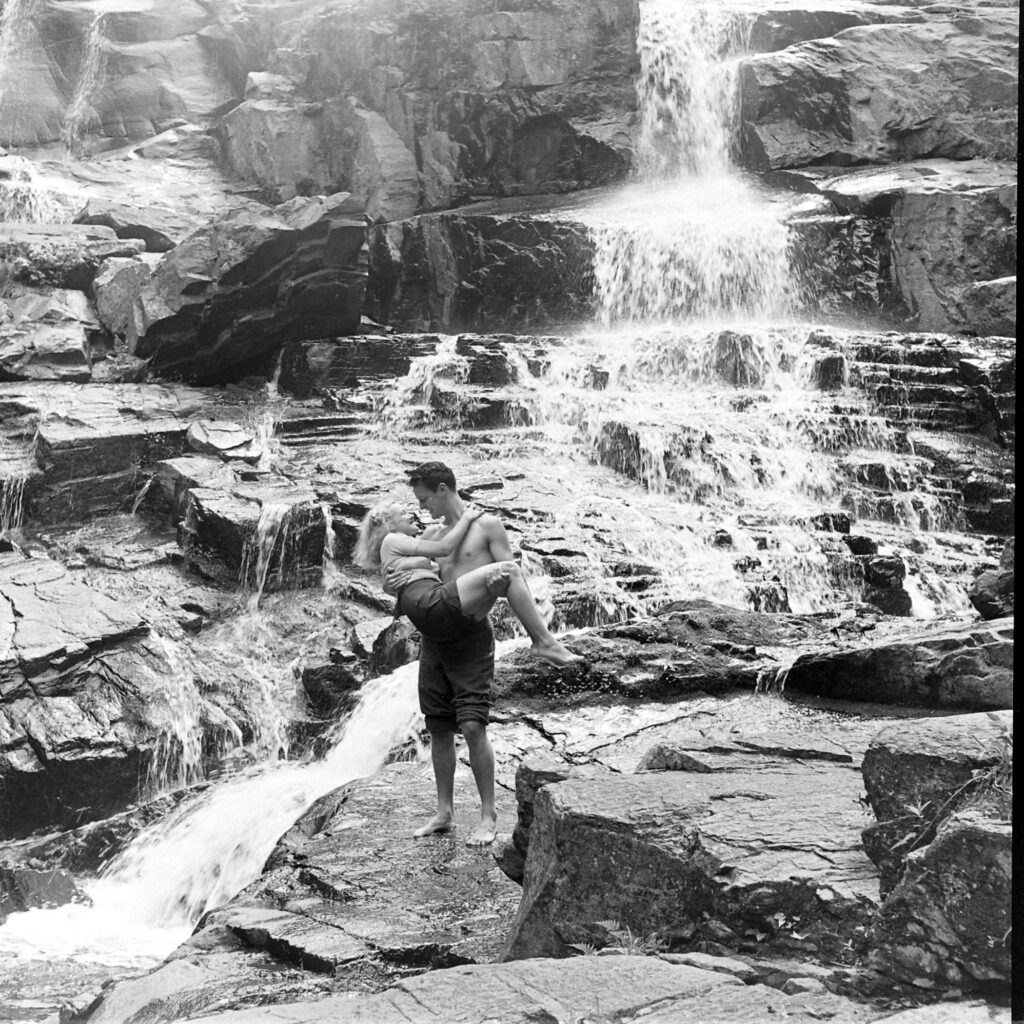
A couple vacationing at Lake George, New York, 1941.
Nina Leen/Life Picture Collection/Shutterstock
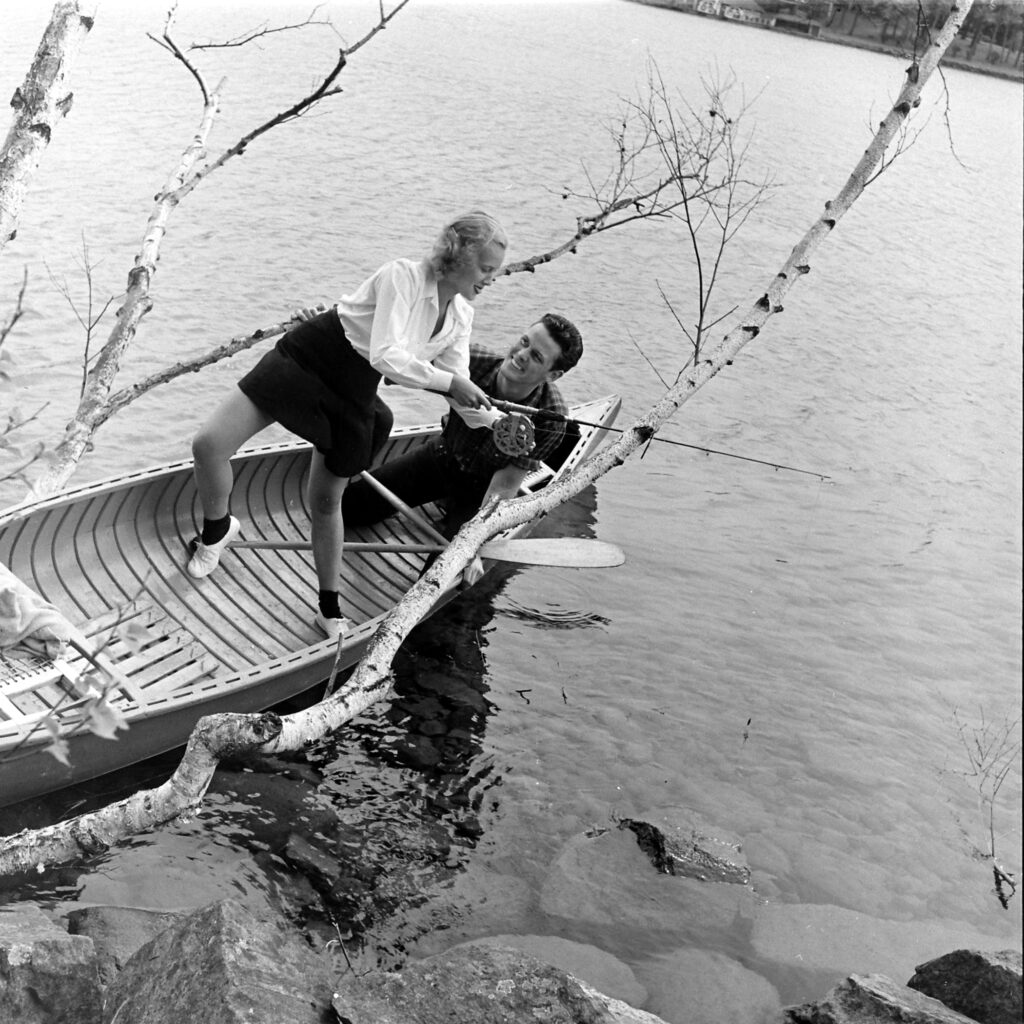
A couple vacationing at Lake George, New York, 1941.
Nina Leen/Life Picture Collection/Shutterstock
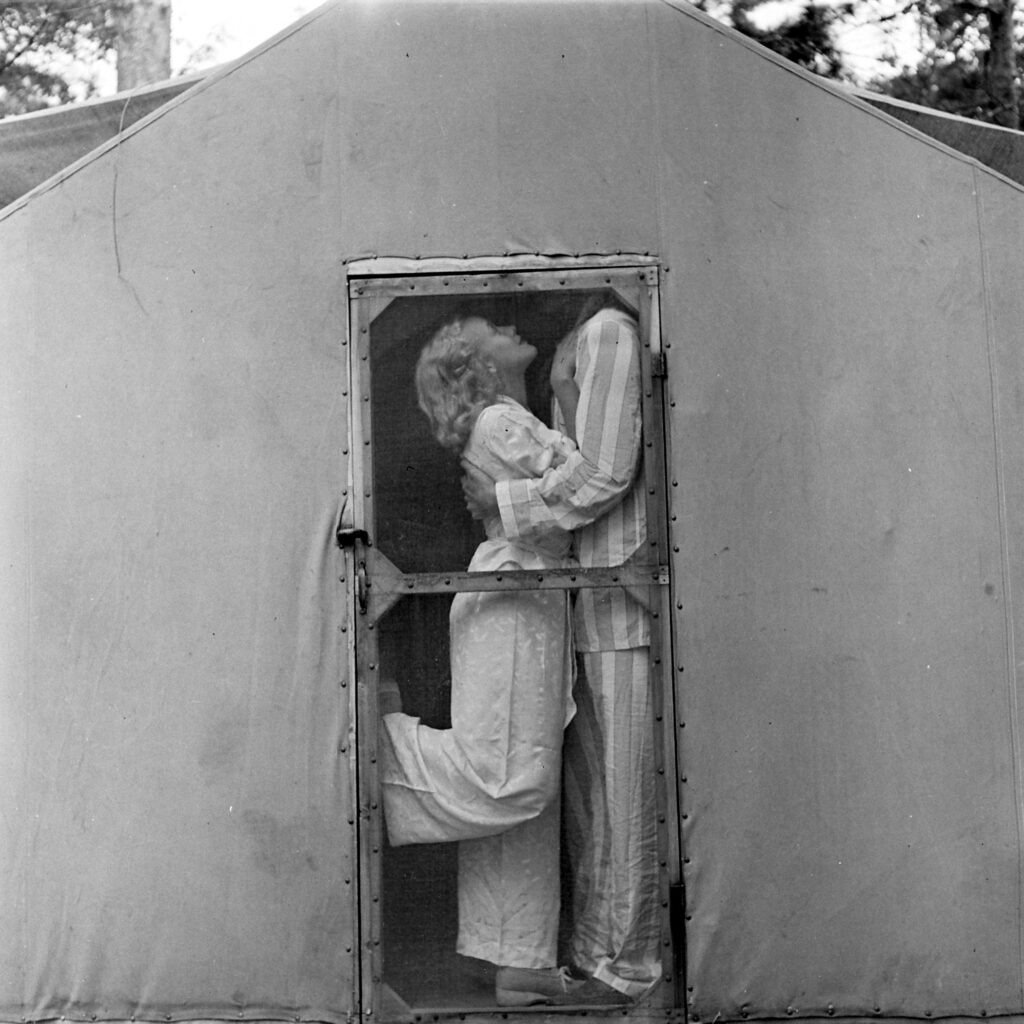
A couple vacationing at Lake George, New York, 1941.
Nina Leen/Life Picture Collection/Shutterstock
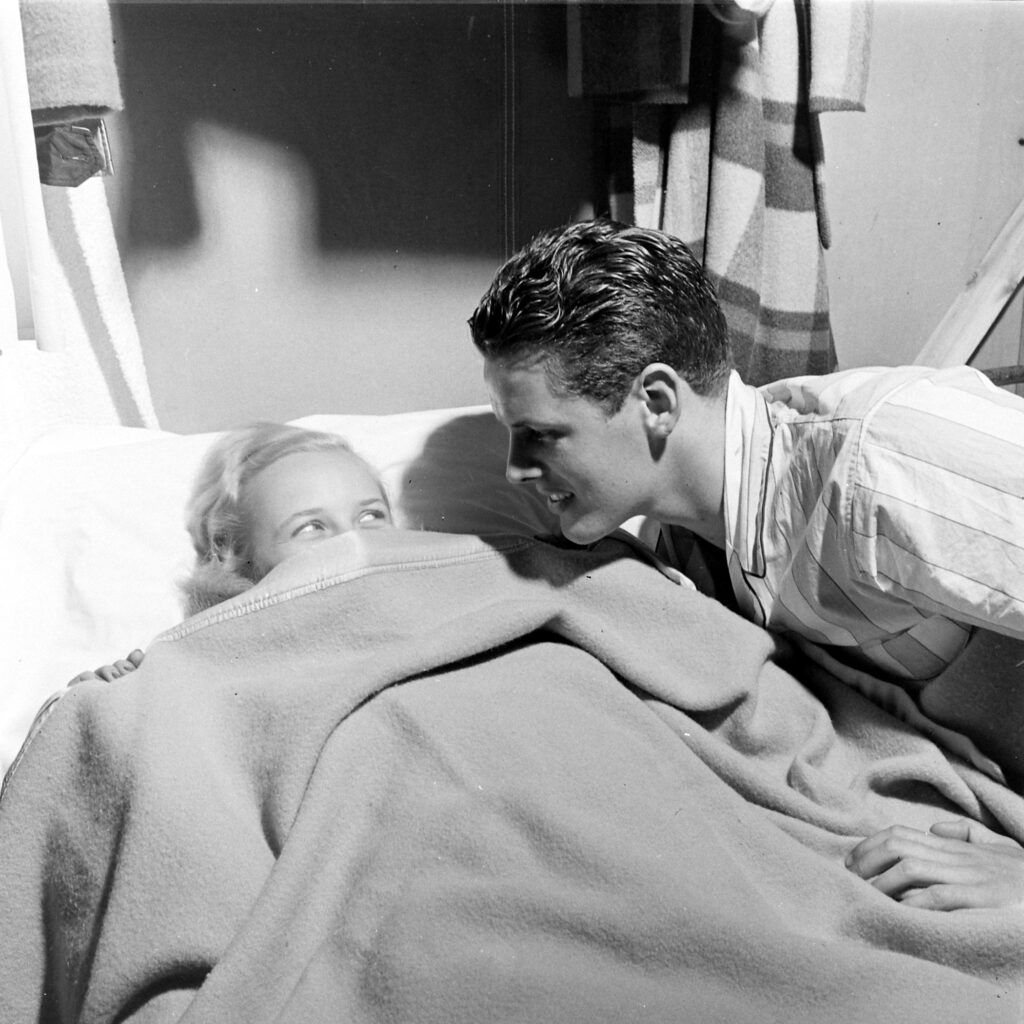
A couple vacationing at Lake George, New York, 1941.
Nina Leen/Life Picture Collection/Shutterstock
The post The Original Vacation Spot appeared first on LIFE.
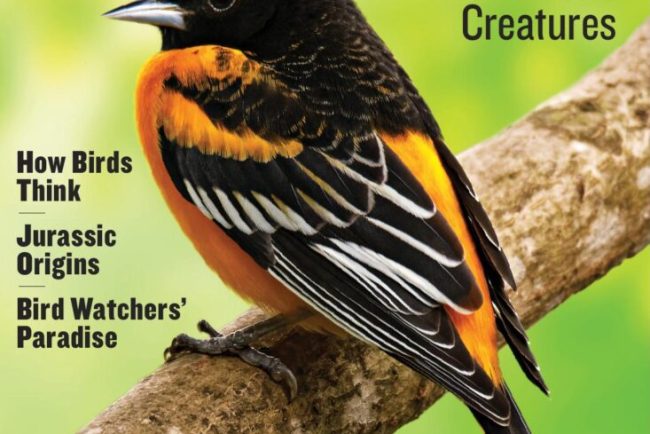
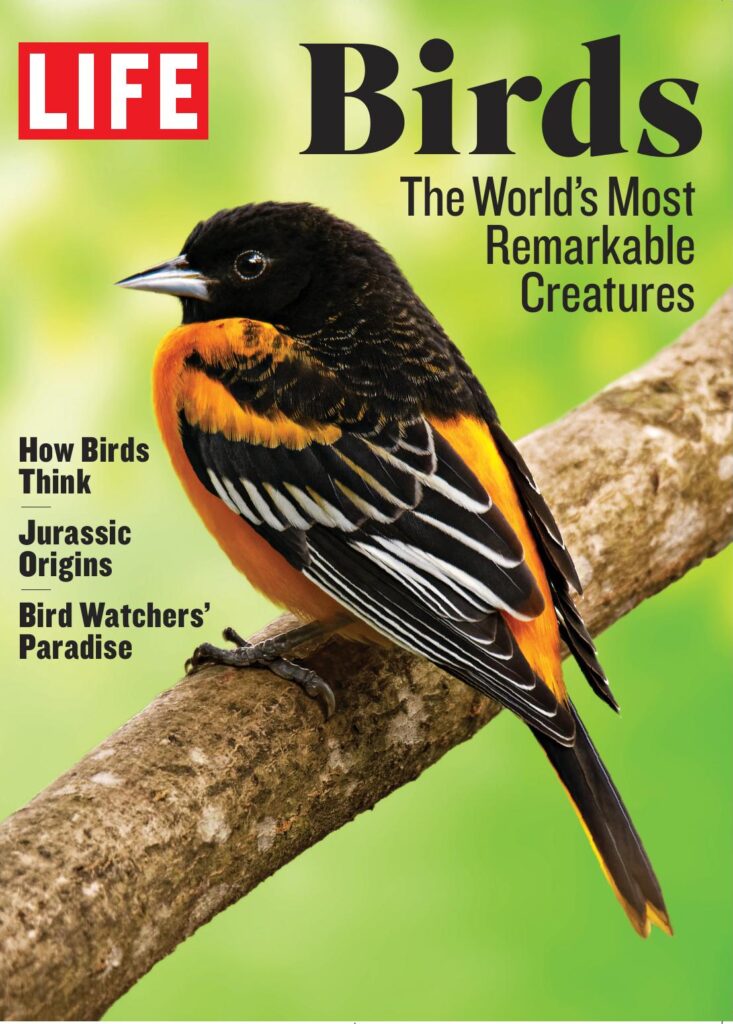
Birds: The World’s Most Remarkable Creatures
The following is from LIFE’s beautifully illustrated new special edition, Birds: The World’s Most Remarkable Creatures, available at newsstands and online: The first bird I fell in love with—my “spark bird”—was soaring in the northeastern Florida sky one May many years ago, its pointed wings […]
NatureThe following is from LIFE’s beautifully illustrated new special edition, Birds: The World’s Most Remarkable Creatures, available at newsstands and online:
The first bird I fell in love with—my “spark bird”—was soaring in the northeastern Florida sky one May many years ago, its pointed wings spread gracefully and its deeply forked tail gently twisting to guide its curving flight. The black-and-white coloration was distinctive, and I rushed to a local used bookstore for what would become the first of many field guides on my shelves. A few flips of the pages, and I knew I’d seen a swallow-tailed kite, an elegant raptor that is a summer visitor to Florida and the southeastern United States.
Tens of millions of birders have had similar encounters with their own spark bird. In the United States alone, more than 45 million people are bird watchers. Roughly $4 billion is spent annually on birdseed and foods such as suet, nuts, and nectar, while another $2 billion is spent on binoculars, spotting scopes, and other equipment. Birds are the focus of conservation programs and citizen science projects such as the Great Backyard Bird Count; art projects like the Audubon Mural Project in New York City, which highlights 314 bird species; and movies like Happy Feet (about penguins) and The Big Year (about a birding competition).
That so many people love birds may be partly because there’s a bird for everyone. The more than 10,000 known bird species come in an extraordinary variety, and they can be found—almost literally—everywhere.
Birds thrive in all habitats, from fierce roadrunners in rocky deserts to colorful toucans in tropical jungles. You don’t need to live next to a wildlife refuge or nature preserve to enjoy a multitude of bird species—even the busiest cities are home to swallows and sparrows, hawks nesting on skyscrapers, ducks in park ponds, and hummingbirds in flower beds. Taking a trip to the beach? Watch for sandpipers running from the waves, pelicans floating on the water, and gulls flocking on the dunes. In rural areas, there might be quail, magpies, and wild turkeys at the edges of farm fields, while suburban yards can be flush with thrushes, warblers, and buntings. Wherever we are, birds provide us with an active, living connection to nature.
Birds’ often vibrant colors can distinguish a species in a beautiful way. The brilliant red of the northern cardinal stands out against winter snows, while the bright hue of the blue jay is a bold splash of color among the leaves. Birds come in every color, and some—like the painted bunting, with his blue head, lime-green back, and rich red chest—are a rainbow all by themselves.
The varied hues have a purpose. Brighter colors can help birds attract stronger mates—as a general but not ironclad rule, the more colorful of the species are the males, with female birds often more muted, more demure, in their coloring. In other cases, a mottled pattern provides camouflage to protect nesting birds, and some birds, such as the northern pygmy owl, even have false “eyespots” on the back of their head to fool potential predators.
The sight of birds in flight suggests a sense of freedom—from the awesome dive of a peregrine falcon to the swooping curves of a barn swallow, or even the quick flitting of a house wren. The long-distance migrations of birds, flying hundreds or even thousands of miles between their summer and winter habitats, highlight their endurance and perseverance, as well as a kind of navigational intelligence. Birds rely on landmarks and stars to guide their journeys.
There’s a variety in how they fly as well. Consider the hours-long flights of albatrosses out at sea as they soar on air currents; the frantic, adrenaline-inducing flights of pheasants scattering from predators; or the flittering flights of foraging warblers navigating the high trees without hitting a single branch.
And of course, there’s their songs. Chirps, whistles, coos, and warbles are as familiar as the somewhat less melodious screeches, squawks, hoots, and quacks. Some birds, such as mockingbirds, thrashers, and catbirds, are outstanding mimics and imitate not only other birds but also other animals—as well as car alarms and ring tones.
Birds sing to attract mates and to defend their territory, with more complex songs indicating better health and greater experience to lure the very best mates or defend larger territories. Other songs and calls communicate information about food or predators, and while in flight, flocks of birds often call to one another to maintain proper spacing with their airborne neighbors.
The reasons why humans appreciate birds are almost as diverse as birds themselves. The bill of a roseate spoonbill, the hovering of a hummingbird, the gleam of an eagle’s eye, the trill of a nightingale in the gloaming: Maybe one of those birds is your spark bird, long since catalogued or quite literally just up around the bend.
Here is a selection of photos from LIFE’s new special edition exploring the beauty of birds, Birds: The World’s Most Remarkable Creatures.
phototrip/iStock/Getty Images
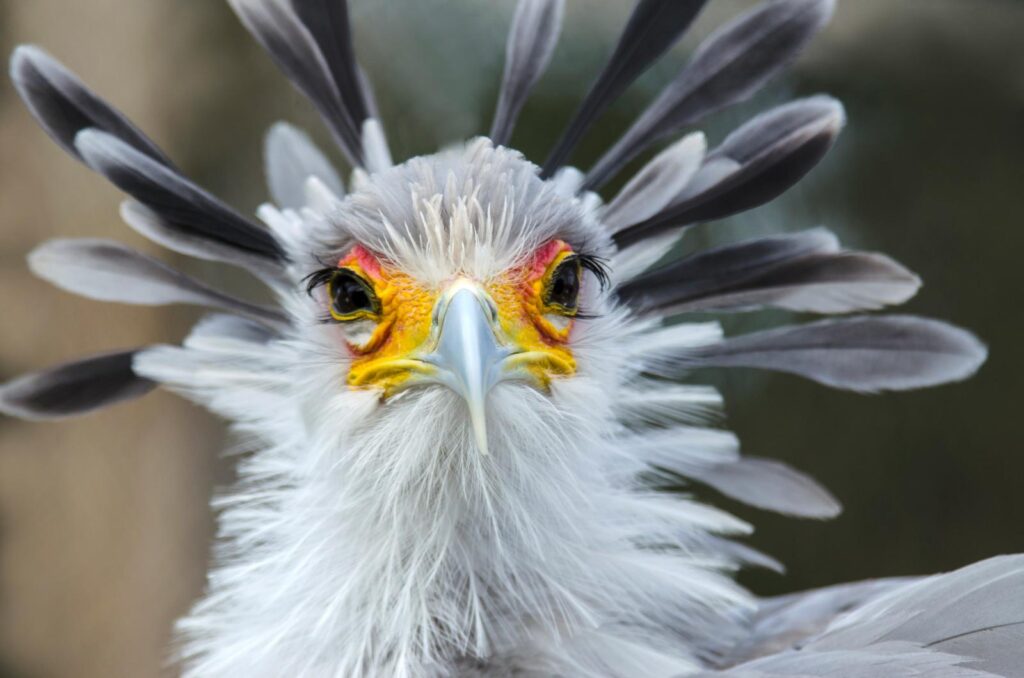
The secretary bird, native to Africa and found south of the Sahara desert, stands about four feet tall.
Mark Newman/The Image Bank/Getty Images
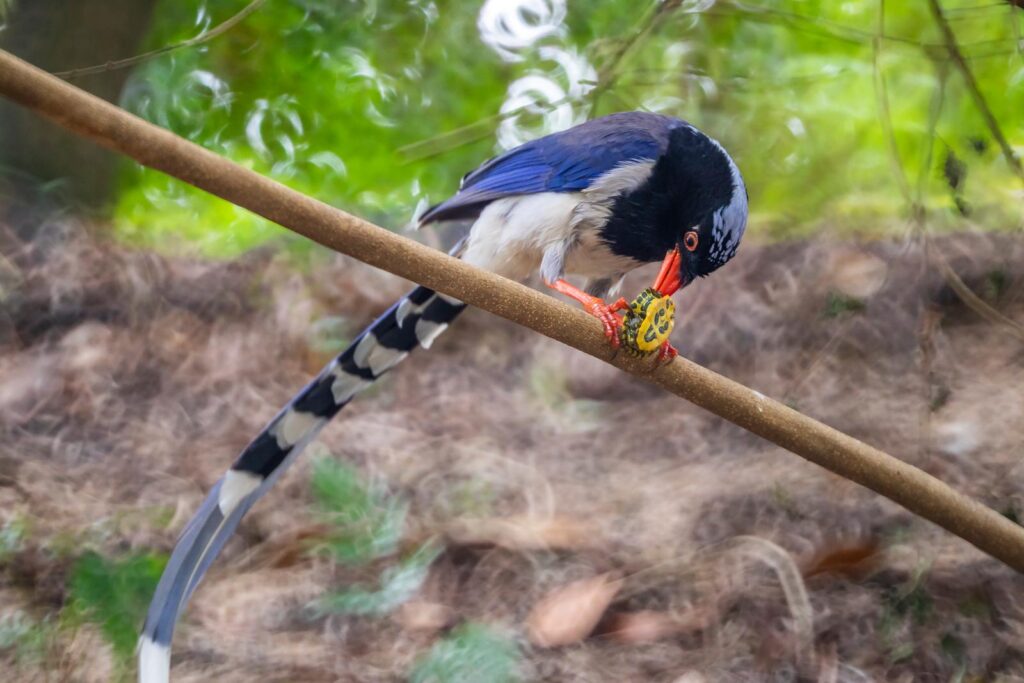
A red- billed blue magpie can use its wedge-shaped beak to open shells.
eiffel/500px/Getty Images
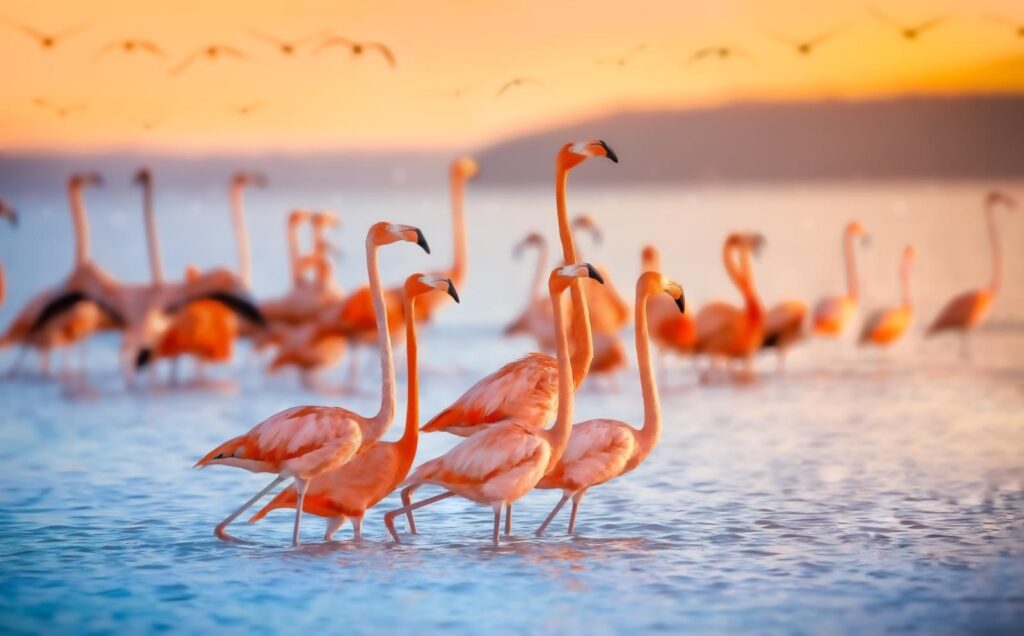
The wild flamingo owes its distinctive hue to a diet that includes that includes shrimp and algae, which contain carotenoids that, when metabolized, create those fiery-colored feathers.
Jonathan Ross/iStock/Getty Images
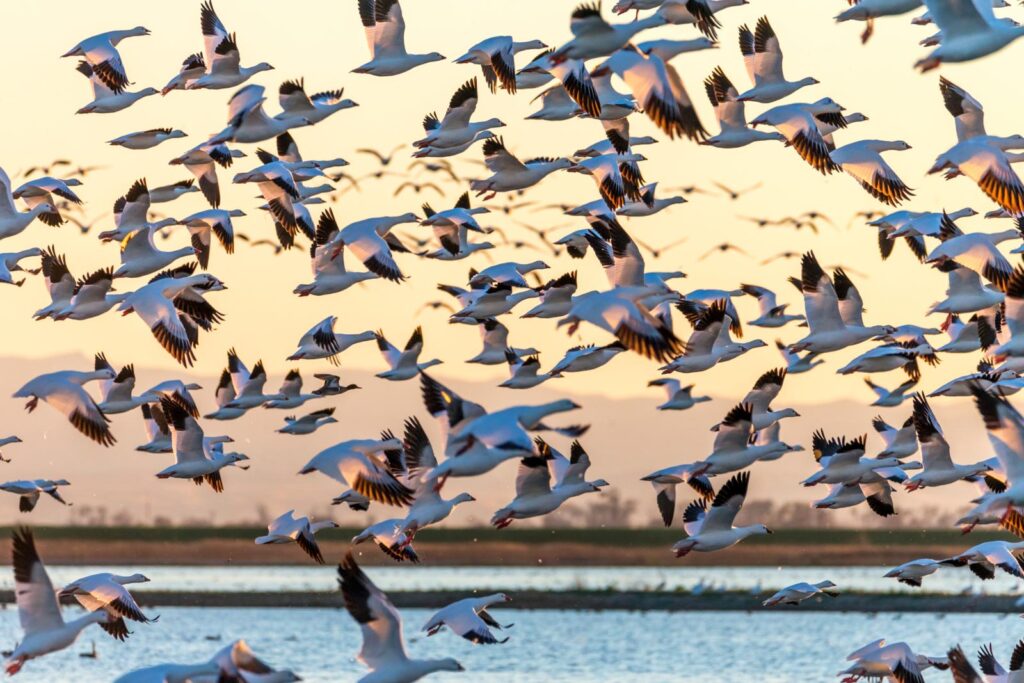
During migration, snow geese travel in large flocks and stick to fairly narrow routes that provide winds to follow, good visibility, and precipitation-free periods.
Spondylolithesis/iStock/Getty Images
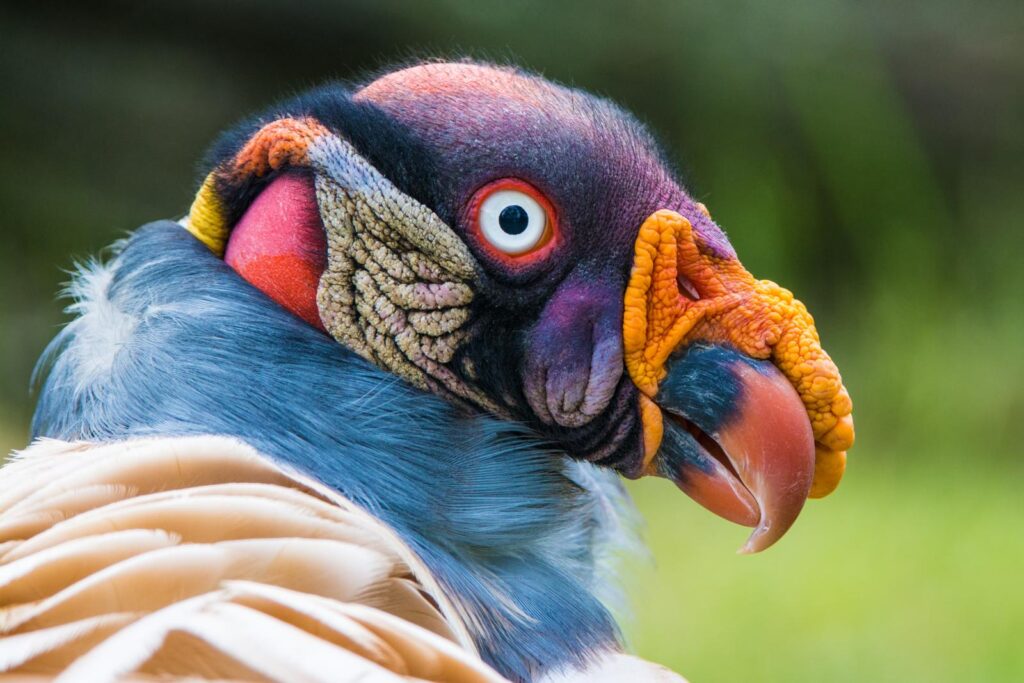
The king vulture is more colorful than other vultures and, unlike other colorful birds, it is bald, which is believed to help prevent disease-laden animal remains from festering in dense plumage.
miroslav_1/iStock/Getty Images
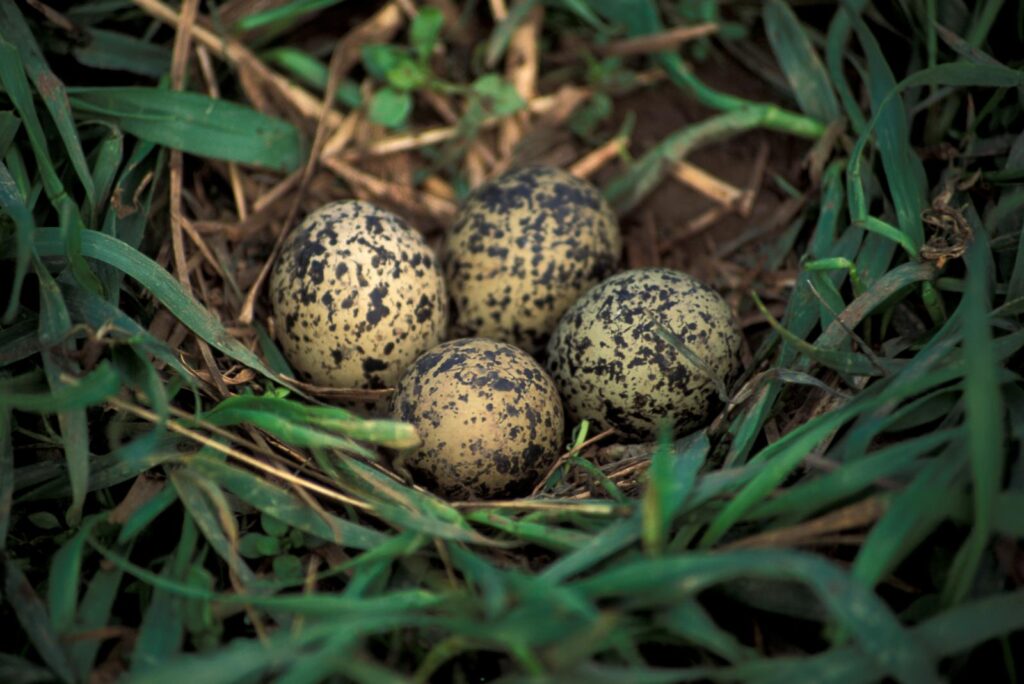
Lapwings often build their nests in rough or broken ground to help camouflage the eggs.
Andrew Linscott/E+/Getty Images
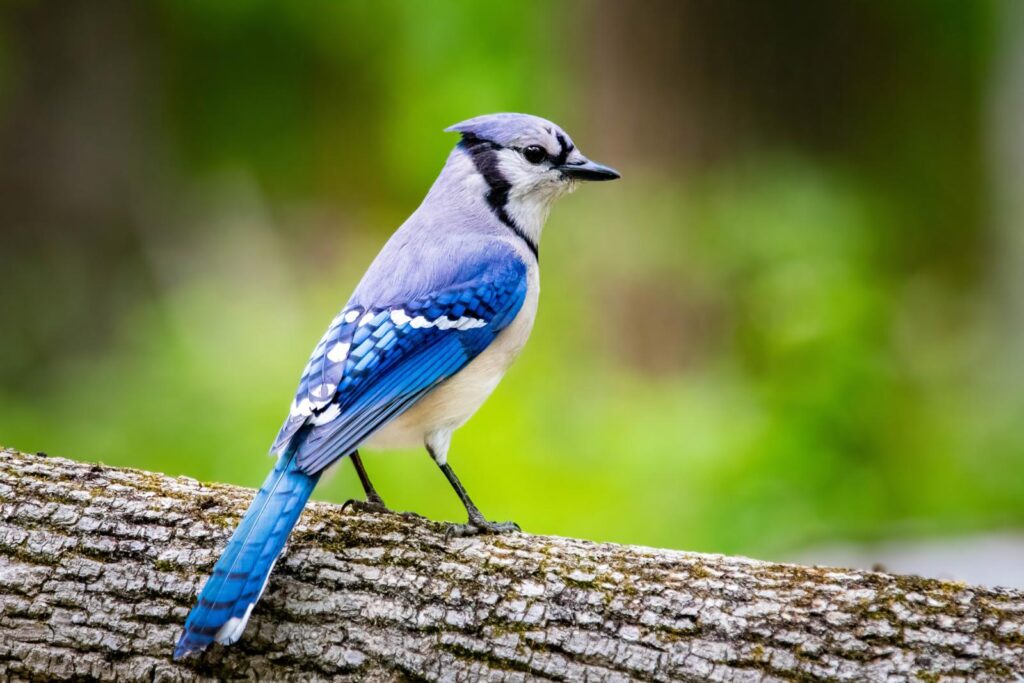
Known for their smarts, blue jays can mimic the calls of hawks to let other jays know a hawk is nearby.
GummyBone/iStock/Getty Images
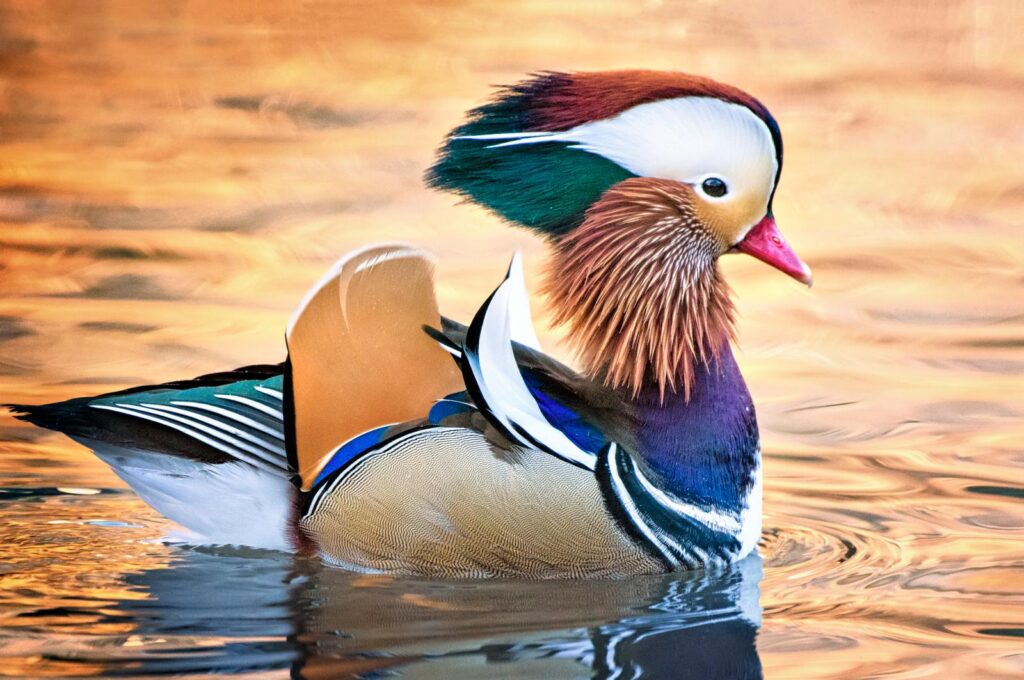
Mandarin duck males In spring and early summer have elaborate, colorful plumage. Females are a little less eye-catching, with gray feathers and a muted bill. After the mating season, the males’ feathers molt to brown and gray as well.
Vicki Jauron, Babylon and Beyond Photography/Moment/Getty Images
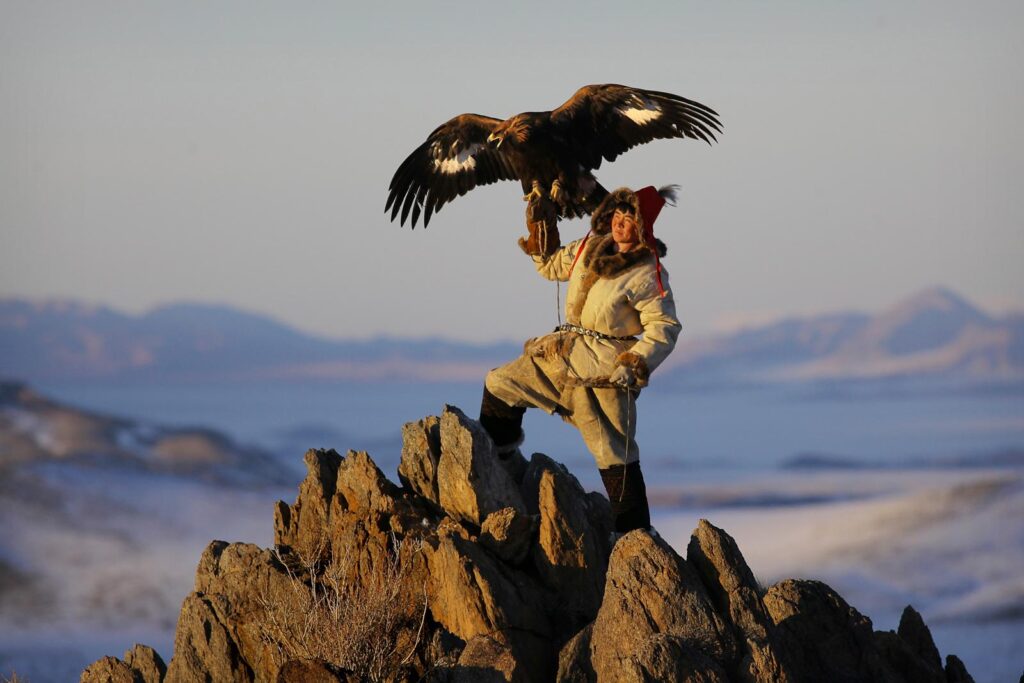
In the vast landscape of Mongolia’s Altai Mountains, ancient Kazakh hunters on horseback used eagles to track their prey. The tradition was passed down through generations. Today, the practice has become a source of tourism revenue from visitors who pay to see the famed birds in action.
Timothy Allen/Stone/Getty Images
The post Birds: The World’s Most Remarkable Creatures appeared first on LIFE.

Gaslighting in Relationships: How to Spot it and Shut it Down
Michael Padraig-Acton, author of Learning How to Leave and well renouned psychological therapist and counsellor, share’s his advice on gaslighting in relationships, how to spot… The post Gaslighting in Relationships: How to Spot it and Shut it Down appeared first on The Daily Struggle.
Sex Relashionships
Michael Padraig-Acton, author of Learning How to Leave and well renouned psychological therapist and counsellor, share’s his advice on gaslighting in relationships, how to spot…
The post Gaslighting in Relationships: How to Spot it and Shut it Down appeared first on The Daily Struggle.
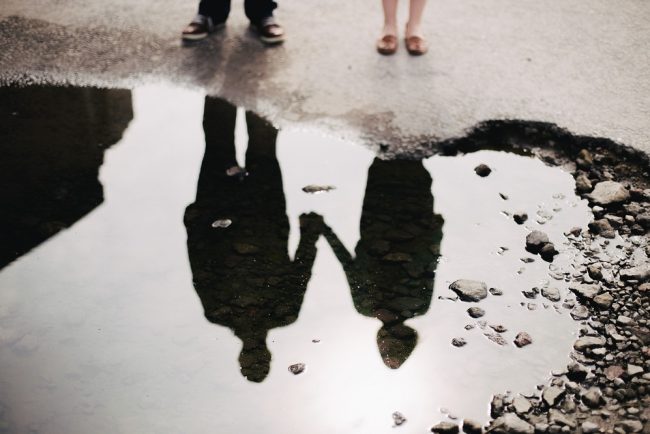
10 myths about abusive relationships
There are so many myths surrounding abusive and toxic relationships. People often make excuses for their abuser and we hear far too often other people… The post 10 myths about abusive relationships appeared first on The Daily Struggle.
Sex Relashionships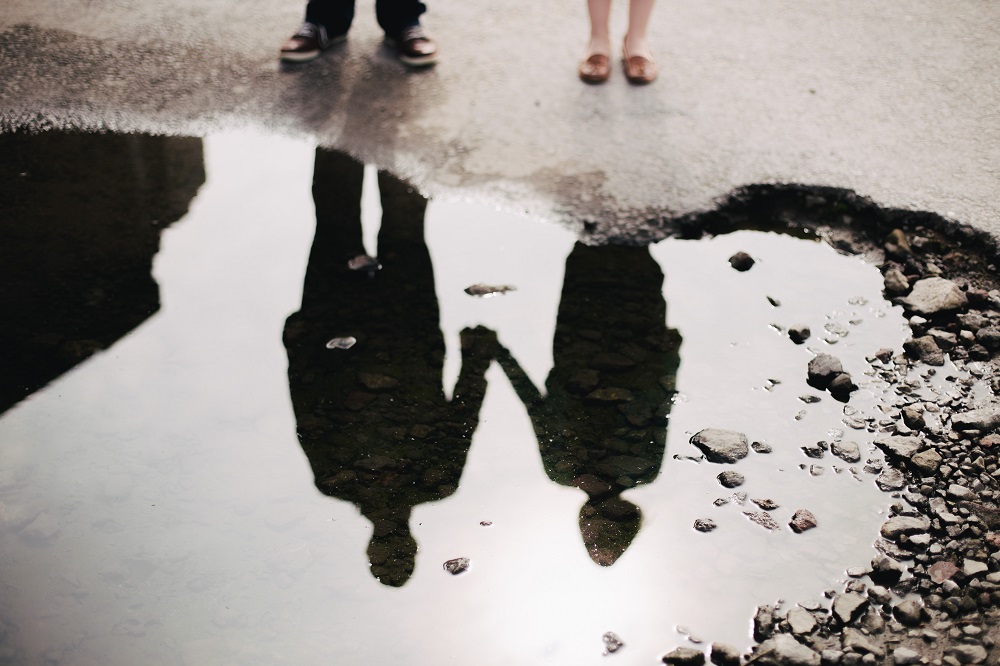
There are so many myths surrounding abusive and toxic relationships. People often make excuses for their abuser and we hear far too often other people…
The post 10 myths about abusive relationships appeared first on The Daily Struggle.
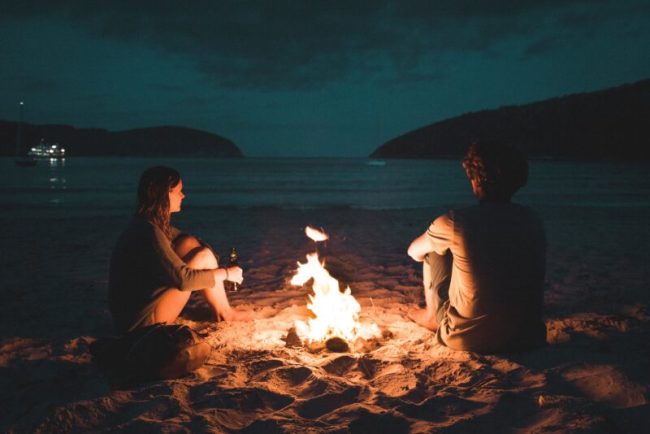
Autumn: pumpkin spice break up season?
I love autumn. I love new coats, I still love back to school stationery whether I need it or not, I love the change in… The post Autumn: pumpkin spice break up season? appeared first on The Daily Struggle.
Sex Relashionships
I love autumn. I love new coats, I still love back to school stationery whether I need it or not, I love the change in…
The post Autumn: pumpkin spice break up season? appeared first on The Daily Struggle.

How to spice up your relationship
It’s great having a boyfriend or girlfriend. You can go on dates with them, sleep with them, make plans together, have rows together, cheat on… The post How to spice up your relationship appeared first on The Daily Struggle.
Sex Relashionships
It’s great having a boyfriend or girlfriend. You can go on dates with them, sleep with them, make plans together, have rows together, cheat on…
The post How to spice up your relationship appeared first on The Daily Struggle.

Fertility questions you may be too embarrassed to ask
Dr Larisa Corda is a leading gynecologist and fertility expert shares her advice and answers to some of the most common fertility questions you may… The post Fertility questions you may be too embarrassed to ask appeared first on The Daily Struggle.
Sex Relashionships
Dr Larisa Corda is a leading gynecologist and fertility expert shares her advice and answers to some of the most common fertility questions you may…
The post Fertility questions you may be too embarrassed to ask appeared first on The Daily Struggle.